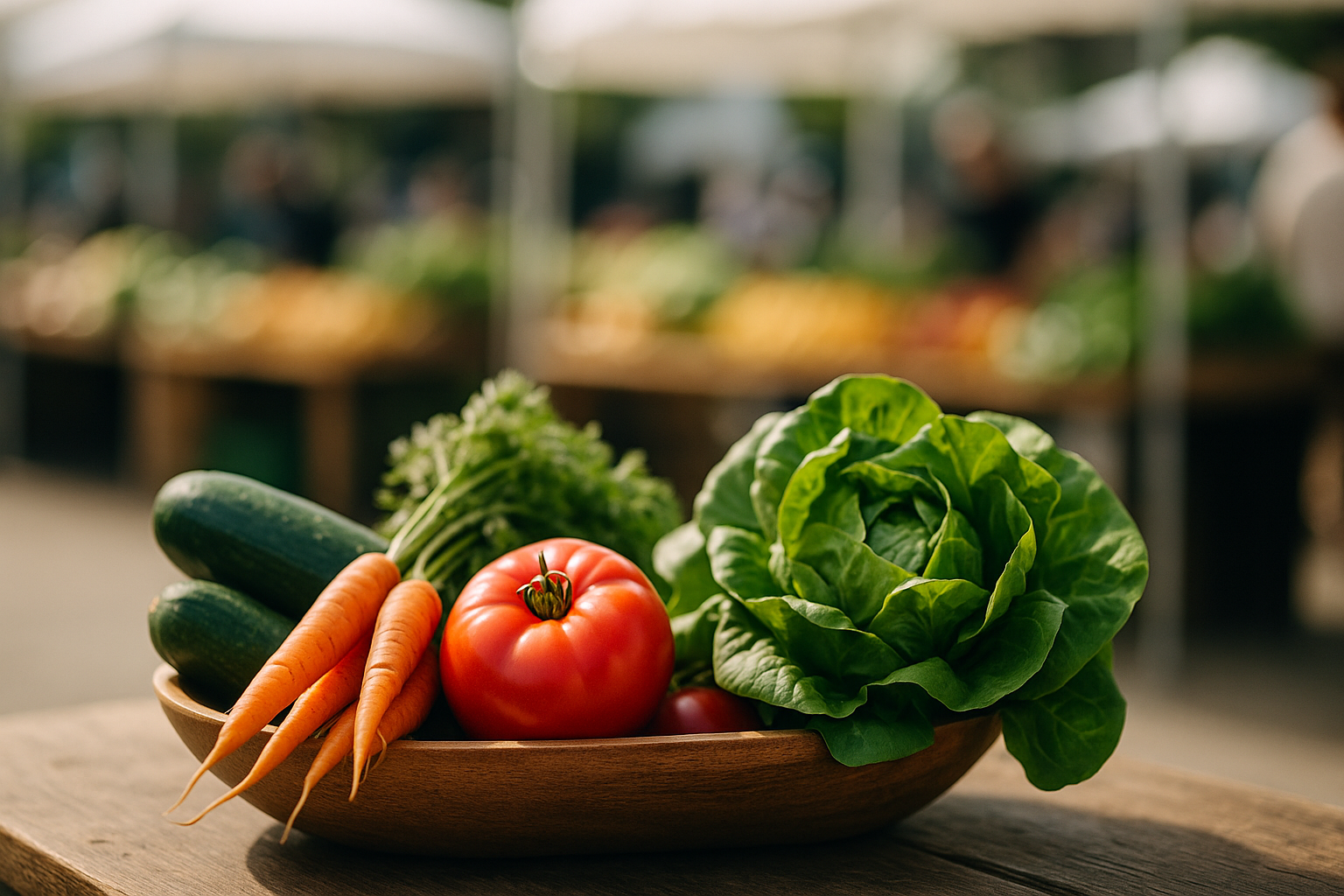
The fluorescent lights of the supermarket flicker overhead as you scan row after row of identical tomatoes, each one bred for durability rather than flavor. They look perfect, uniform in size and color, yet somehow taste like watery disappointment. There’s a better way to source your ingredients, one that connects you directly with the people who grow your food and transforms how you think about cooking.
Farm-to-table cooking starts at your local farmers’ market, where seasonal produce, artisanal products, and fresh ingredients come together in a weekly celebration of regional agriculture. Unlike grocery store shopping, visiting farmers’ markets gives you access to heirloom varieties, ultra-fresh produce picked at peak ripeness, and the knowledge of farmers who can tell you exactly how to prepare what they’ve grown. This direct connection between farm and kitchen changes not just what you cook, but how you approach food entirely.
Why Farmers’ Markets Matter for Home Cooks
The distance between farm and table matters more than most people realize. Supermarket produce often travels over 1,500 miles before reaching store shelves, spending days or weeks in transit and storage. That picture-perfect apple? It might be nearly a year old, kept in controlled atmosphere storage to maintain appearance while flavor gradually fades.
Farmers’ markets eliminate this disconnect entirely. The greens you buy on Saturday morning were likely growing in soil on Friday. This freshness translates directly to flavor intensity, nutritional value, and ingredient quality that makes cooking easier and more rewarding. When your tomatoes actually taste like tomatoes, you don’t need complicated recipes to make them shine.
Beyond freshness, farmers’ markets offer variety that grocery stores simply can’t match. While supermarkets stock three or four apple varieties chosen for shelf stability, your local farmers’ market might feature twenty different heirloom varieties, each with distinct flavor profiles and ideal uses. This diversity opens up new culinary possibilities and teaches you to cook with the seasons rather than against them.
The educational component sets farmers’ markets apart too. Where else can you ask the person who grew your carrots about the best preparation method? Farmers know their products intimately and love sharing cooking tips, recipe ideas, and preparation techniques. This knowledge transfer transforms shopping from a transaction into a learning experience that makes you a better cook.
Navigating Your First Market Visit
Walking into a bustling farmers’ market for the first time can feel overwhelming. Vendors call out their offerings, unfamiliar vegetables pile high on tables, and everyone else seems to know exactly what they’re doing. Experienced market shoppers recommend arriving early for the best selection, but not so early that vendors haven’t finished setting up their displays.
Start by doing a complete walk-through before buying anything. This reconnaissance lap shows you what’s available, what looks best, and which vendors carry what you need. You’ll notice that multiple farmers often sell similar items, and quality can vary significantly. Some vendors specialize in organic practices, others focus on heirloom varieties, and some prioritize volume and affordability. Understanding your options helps you make informed decisions about where to spend your money.
Bring cash in small bills. While many markets now accept cards, cash transactions move faster and some smaller vendors still operate on a cash-only basis. A sturdy reusable bag or basket is essential too. Those gorgeous heirloom tomatoes won’t survive the trip home in a flimsy plastic bag, and a proper market basket gives you room to accumulate finds as you shop.
Don’t hesitate to ask questions. Can you taste that peach before committing to a whole bag? Absolutely. Want to know if those peppers are spicy? The farmer can tell you exactly what heat level to expect. Curious about an unfamiliar vegetable? Vendors appreciate genuine interest and often share favorite preparation methods. This interaction makes shopping personal and educational rather than transactional.
Strategic Shopping for Seasonal Cooking
Shopping at farmers’ markets requires a different mindset than grocery store trips. Instead of arriving with a rigid meal plan and shopping list, successful market shoppers let seasonal availability guide their cooking decisions. Nutrition experts emphasize that this approach naturally aligns your diet with peak nutrition and flavor.
The most practical strategy combines flexibility with loose planning. Know what proteins you’ll cook that week, but remain open about vegetables and sides. Spotted gorgeous zucchini blossoms you’ve never tried? Grab them and ask the vendor how they prepare them at home. Found strawberries so fragrant you can smell them from three stalls away? Change your dessert plans. This adaptability leads to more exciting meals than cooking from a predetermined list.
Understanding seasonal patterns helps you anticipate what you’ll find. Spring markets burst with tender greens, asparagus, radishes, and fresh herbs. Summer brings tomatoes, peppers, corn, stone fruits, and berries in abundance. Fall markets showcase root vegetables, winter squash, apples, and hearty greens. Winter markets might seem sparse, but they offer storage crops, greenhouse greens, and preserved goods that shine in cold-weather cooking.
Quality assessment becomes crucial when choosing produce. Look for vibrant colors, firm texture, and aromatic scent. Leafy greens should look perky rather than wilted. Root vegetables should feel heavy for their size. Tomatoes should smell like tomatoes when you bring them close to your nose. These sensory evaluations tell you more than any packaging date ever could.
Building relationships with specific vendors pays dividends over time. When farmers recognize you as a regular customer, they’ll set aside special items, offer cooking advice, and sometimes provide heads-up about what’s coming next week. These relationships transform market shopping from a chore into a community experience while ensuring you get first crack at the best products.
Converting Market Finds Into Memorable Meals
The trip from market to table requires different cooking approaches than standard grocery-based meal prep. When you’re working with truly fresh, flavorful ingredients, the best recipes often emphasize simplicity. Sustainable cooking practices help you make the most of everything you buy while minimizing waste.
Start by properly storing your market haul. Delicate herbs go in a glass of water on the counter, like a bouquet. Root vegetables prefer cool, dark storage without plastic bags that trap moisture. Tomatoes stay at room temperature, never refrigerated. Leafy greens get wrapped loosely in damp towels and stored in the crisper drawer. Proper storage extends the usability of your ingredients and preserves the quality you paid premium prices to obtain.
Plan to use the most perishable items first. Those tender salad greens and fragile berries won’t last as long as heartier vegetables. Structure your weekly cooking to feature delicate items early in the week while saving storage-stable root vegetables and winter squash for later. This sequencing prevents waste and ensures you enjoy everything at peak quality.
Let ingredients shine with minimal interference. When you’ve got genuinely flavorful produce, it doesn’t need heavy sauces or complicated preparations. A perfect heirloom tomato needs only good olive oil, flaky salt, and fresh basil. Sweet corn tastes best simply grilled or boiled. Tender young carrots are revelatory when roasted with just olive oil and a touch of honey. The cooking techniques you’ll rely on most are roasting, grilling, quick sautéing, and raw preparations that highlight rather than mask ingredient quality.
Keep your pantry stocked with high-quality basics that complement fresh market finds. Excellent olive oil, good vinegar, flaky sea salt, fresh peppercorns, and quality butter amplify flavors without competing with them. These foundational ingredients let you create impressive dishes quickly. When you’re working with restaurant-quality produce, you’re already halfway to a memorable meal before you even start cooking.
Beyond Produce: Exploring Artisanal Market Offerings
While fresh produce draws most shoppers to farmers’ markets, the artisanal products available often become weekly staples. Small-batch producers offer quality and variety that mass-market alternatives can’t match, from handmade pasta and fresh-milled flour to artisanal cheeses and heritage-breed meats.
Fresh-baked bread from market vendors bears little resemblance to supermarket loaves. Small bakeries use long fermentation processes, quality flour, and traditional techniques that create complex flavors and superior texture. Once you’ve experienced real sourdough or fresh-baked baguettes, grocery store bread feels like a poor substitute. These breads might cost more per loaf, but the eating experience justifies the investment.
Artisanal cheese vendors offer tastes before purchase and share detailed information about their products. You’ll find raw milk cheeses aged by local cheesemakers, each with distinct character reflecting the specific pastures where animals grazed. The personalized service means you can describe the flavors you enjoy and receive expert recommendations rather than facing a refrigerated case alone and confused.
Heritage-breed meats represent another market advantage. Small farms raising traditional breeds on pasture produce meat with superior flavor and fat content compared to industrial alternatives. While more expensive per pound, this meat tastes dramatically better and often comes from animals raised humanely on sustainable farms. The farmers can tell you exactly what their animals ate, how they were raised, and the best cooking methods for each cut.
Prepared foods like fresh pasta, fermented vegetables, hot sauces, and preserves add convenience to your market-based cooking. These products use seasonal ingredients at peak abundance, transforming them into shelf-stable forms that extend the season. A jar of small-batch tomato sauce captures August’s bounty for enjoyment in February, while fermented vegetables add probiotic benefits and intense flavor to winter meals.
Making Farmers’ Markets Work With Your Budget
The perception that farmers’ markets are prohibitively expensive keeps some home cooks away. While certain items do cost more than supermarket equivalents, strategic shopping makes market-based cooking surprisingly affordable, especially when you factor in quality and waste reduction.
Focus your market dollars on items where freshness and quality make the biggest difference. Tender greens, ripe tomatoes, fresh herbs, and delicate fruits transform dramatically when bought fresh from farms. Smart shopping strategies suggest buying these high-impact items at markets while supplementing with grocery store purchases for shelf-stable basics like dried beans, rice, and canned goods.
Shop seasonally for the best prices. When zucchini is at peak season, farmers practically give it away because they have so much. Buy abundance vegetables in quantity and preserve them through freezing, fermenting, or canning. A flat of peak-season strawberries costs a fraction of grocery store prices and can be frozen for smoothies, baked into desserts, or made into jam that lasts months.
Visit markets near closing time for potential deals. Farmers who don’t want to pack up and transport unsold produce often offer discounts in the final hour. While selection may be picked over, you can score significant savings on perfectly good items that simply didn’t sell. Some produce might show minor blemishes, but for soups, sauces, and cooked applications, cosmetic imperfections don’t matter.
Many markets accept SNAP benefits and offer matching programs that double your purchasing power. These initiatives make fresh, local food accessible to more people while supporting small farms. Check with your market manager about available programs and how to participate.
Calculate the true cost by considering what you’re not buying. When your market haul provides genuinely satisfying meals, you order takeout less frequently. When ingredients taste better, you waste less food because meals are more appealing. When produce lasts longer because it’s fresher, you throw away fewer spoiled vegetables. These indirect savings often offset the higher per-pound costs of market shopping.
Building a Year-Round Market Cooking Practice
Transforming occasional market visits into a consistent cooking practice requires some adjustment, but the rewards multiply over time. Regular market shopping tunes you into seasonal rhythms, expands your cooking repertoire, and deepens your connection to regional food systems.
Start by committing to weekly visits during peak season. Summer and fall markets offer the greatest abundance and variety, making them ideal for establishing the habit. As you become comfortable shopping seasonally and cooking what you find, the practice becomes second nature. You’ll develop intuition about what’s coming next, which vendors offer what you prefer, and how to efficiently navigate market day.
Use preservation techniques to extend the season. When summer tomatoes are abundant and cheap, make large batches of sauce for freezing. Pickle excess cucumbers and green beans. Freeze berries for winter smoothies. Dry herbs for year-round use. These preservation projects let you enjoy peak-season flavors months later while supporting farmers during their harvest abundance.
Adapt your cooking skills to suit market shopping. Learn foundational techniques that work across different vegetables rather than relying on specific recipe instructions. Master roasting methods that work for any vegetable. Practice simple sautés and quick braises. Develop a few vinaigrette formulas that dress any salad. This flexibility lets you confidently cook whatever looks good at the market without needing to search for recipes first.
Connect with your farming community beyond market transactions. Many farms offer CSA programs, u-pick opportunities, and farm events that deepen your understanding of where food comes from. These experiences make you a more thoughtful cook and eater while supporting the farms that feed your community. Some farmers even welcome volunteers during harvest, offering the ultimate education in seasonal eating.
The relationship between visiting farmers’ markets and farm-to-table cooking creates a virtuous cycle. Better ingredients inspire more enthusiastic cooking. Success with simple preparations builds confidence to try unfamiliar items. Conversations with farmers expand your knowledge. Seasonal eating attunes you to natural rhythms. Over time, market shopping shifts from a special occasion activity to an essential weekly ritual that fundamentally changes how you eat and cook.
Your local farmers’ market offers more than fresh ingredients. It provides education, community connection, and a direct link to the land that produces your food. Whether you’re looking to improve your everyday meals with better meal planning strategies or simply want vegetables that actually taste like something, the market gives you tools to cook with confidence and purpose. Start with one visit, talk to a few farmers, and buy what looks irresistible. Your cooking will never be quite the same.

Leave a Reply