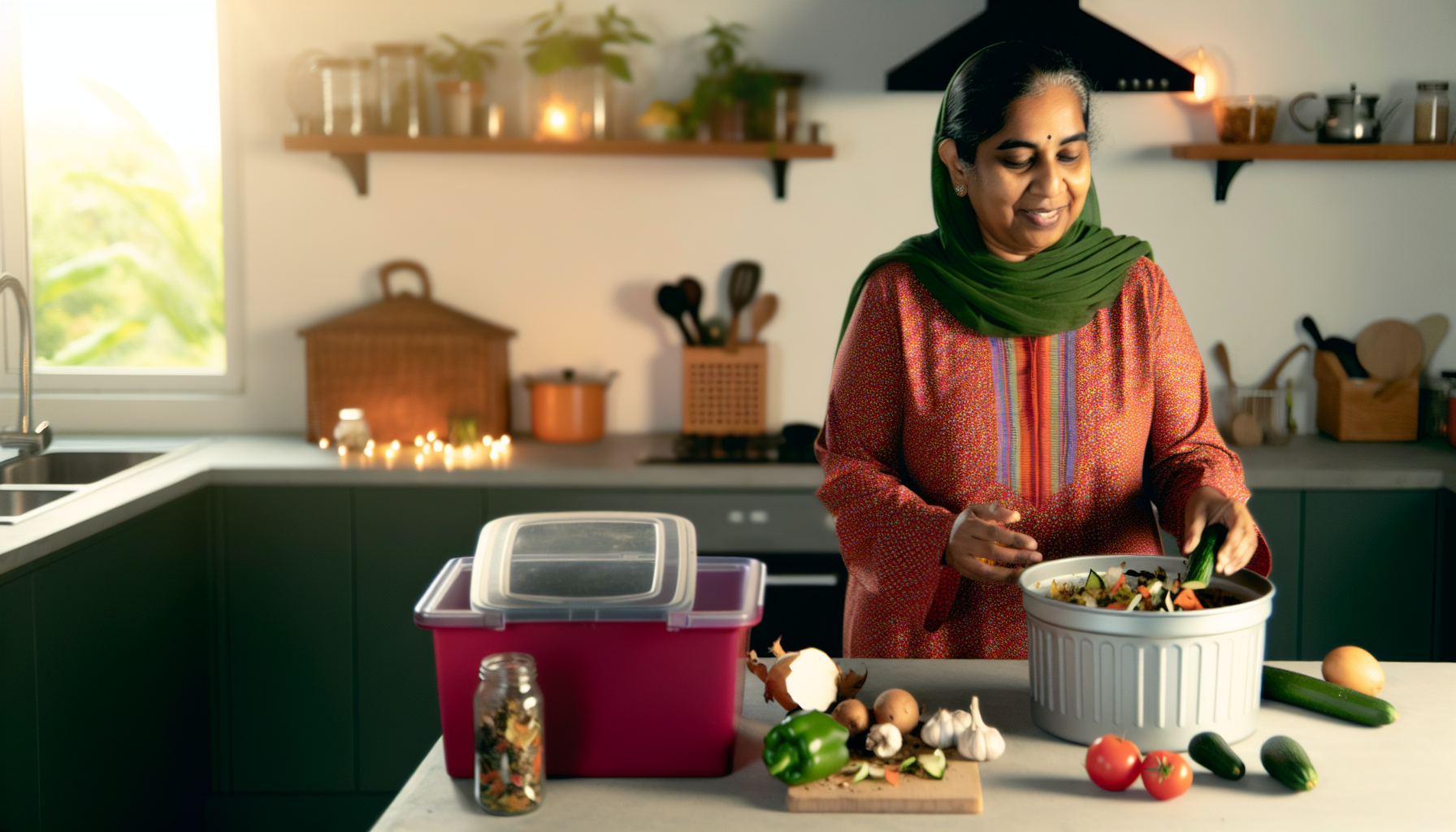
Every year, the average household throws away hundreds of pounds of food, much of it still perfectly edible. Between wilted vegetables, forgotten leftovers, and over-purchased ingredients, our kitchens generate staggering amounts of waste. Yet sustainable cooking doesn’t require a complete lifestyle overhaul or hours of extra effort. Small, intentional changes in how we shop, store, and prepare food can dramatically reduce waste while saving money and creating more delicious meals.
Reducing food waste at home starts with understanding why it happens in the first place and developing simple strategies to prevent it. From smarter shopping habits to creative ways of using every part of your ingredients, transforming leftovers into new meals becomes second nature once you know the techniques. Let’s explore practical approaches that make sustainable cooking both achievable and rewarding.
Understanding Why Food Waste Happens
Before we can solve the problem, we need to understand its roots. Food waste in home kitchens typically falls into a few predictable patterns. We buy too much, especially perishables that spoil before we use them. We forget what’s already in the refrigerator, letting items languish in the back until they’re no longer safe to eat. We over-prepare meals, creating leftovers that nobody wants to eat again.
Confusion about expiration dates contributes significantly to waste. “Best by” dates indicate peak quality, not safety, yet many people discard perfectly good food based on these labels. Likewise, aesthetic standards lead us to throw away produce with minor blemishes that don’t affect taste or nutrition. Understanding these patterns helps us interrupt them with better habits.
Shop Smarter to Waste Less
Waste reduction begins before you even enter the grocery store. Planning meals for the week ahead prevents impulse purchases and ensures you buy only what you’ll actually use. Take inventory of your refrigerator, freezer, and pantry before shopping to avoid duplicating items you already have.
Make a detailed shopping list organized by store section and stick to it. When buying fresh produce, purchase only what you can realistically consume within a few days unless you have specific preservation plans. Consider buying smaller quantities more frequently rather than bulk-buying perishables that may spoil.
Be realistic about your cooking habits. If you rarely cook elaborate meals during the week, don’t buy ingredients for complicated recipes that will sit unused. Choose versatile ingredients that work across multiple dishes rather than single-use specialty items that might go to waste.
Proper Storage Extends Ingredient Life
How you store food dramatically affects how long it stays fresh. Many people unknowingly accelerate spoilage through improper storage techniques.
Refrigerator Organization
Different areas of your refrigerator maintain different temperatures. Store delicate items like leafy greens and herbs in the crisper drawers with humidity controls. Keep dairy products on upper shelves where temperature is most consistent. Place items that need cooking soon, like proteins and leftovers, at eye level where you won’t forget them.
Herbs stay fresh longer when treated like flowers. Trim stems and place them upright in a glass of water, covering loosely with a plastic bag. Leafy greens benefit from being wrapped in damp paper towels inside a sealed container or bag. Remove vegetables from plastic grocery bags and store them properly to prevent moisture buildup that accelerates rot.
Freezer as Your Safety Net
The freezer is your best defense against waste. Most foods freeze successfully if packaged properly. Portion leftovers into single servings before freezing for easy reheating. Flash-freeze items like berries or chopped vegetables on a baking sheet before transferring to bags, preventing them from clumping together.
Label everything with contents and date. Even if you think you’ll remember, you won’t. Frozen foods maintain best quality for specific timeframes, most cooked dishes last three to four months, while raw meats can go six to twelve months depending on the cut.
Room Temperature Storage
Not everything belongs in the refrigerator. Tomatoes, avocados, stone fruits, and bananas develop better flavor and texture at room temperature. Potatoes, onions, and garlic prefer cool, dark, dry spots but not the refrigerator. Store onions and potatoes separately, as gases from onions can cause potatoes to sprout faster.
Use Every Part of Your Ingredients
Much of what we throw away is actually edible and nutritious. Adopting a whole-ingredient approach reduces waste while adding new flavors and textures to your cooking.
Vegetable Scraps Become Stock
Keep a bag in your freezer for vegetable scraps like onion ends, carrot peels, celery leaves, herb stems, and mushroom stems. When the bag is full, simmer the contents with water, a bay leaf, and peppercorns for two hours to create rich vegetable stock. Strain and freeze in ice cube trays or jars for easy portioning.
Avoid adding cruciferous vegetables like broccoli or cabbage, which can make stock bitter. Potato peels and beet scraps can make stock cloudy or oddly colored. Save those for composting instead.
Stems, Leaves, and Tops
Broccoli stems are perfectly edible when peeled and sliced. Beet greens, radish tops, and carrot tops can be sautéed like any other leafy green or blended into pesto. Cauliflower leaves roast beautifully with olive oil and salt. Watermelon rinds can be pickled. Parmesan rinds add umami depth to soups and sauces.
Stale Bread Gets a Second Life
Stale bread isn’t garbage, it’s an ingredient. Cube it for croutons, process it into breadcrumbs, or soak it for bread pudding or panzanella salad. French toast and bread pudding actually taste better with day-old bread that absorbs the custard mixture more effectively.
Master the Art of Leftovers
Leftovers only go to waste if they sit in the refrigerator until they’re no longer appealing. The key is transforming them into something different rather than simply reheating the same meal.
Roasted chicken becomes chicken salad, tacos, soup, or fried rice. Cooked vegetables get blended into sauces, stirred into omelets, or layered into frittatas. Plain rice transforms into fried rice, rice pudding, or stuffing for peppers. Thinking creatively about components rather than complete meals opens up endless possibilities.
Store leftovers in clear containers at the front of the refrigerator where you’ll see them. Label them with dates and eat within three to four days for best quality and safety. Designate one dinner each week as “leftover night” to ensure nothing gets forgotten.
Portion Control Prevents Over-Preparation
Cooking too much food leads directly to waste, especially when household members won’t eat leftovers. Learning proper portion sizes for your family prevents this common issue.
A serving of protein is typically three to four ounces (about the size of a deck of cards). Grains and pasta expand during cooking, one cup of uncooked rice yields three cups cooked, and two ounces of dried pasta per person is usually sufficient. Starting with appropriate quantities means less food goes uneaten.
If you do cook extra intentionally for meal prep, have a plan for those leftovers before you start cooking. Know when and how you’ll eat them so they don’t become waste.
Understand and Use Dates Correctly
Date labels cause enormous amounts of unnecessary waste due to confusion about their meanings. “Sell by” dates tell retailers when to rotate stock, not when food becomes unsafe. “Best by” or “best before” indicates when quality is at its peak, but food remains safe well beyond these dates in most cases.
Use your senses instead of blindly following dates. If milk smells fine, it’s fine. If yogurt has no mold and tastes normal, it’s still good. Canned goods remain safe indefinitely if the can isn’t damaged, though quality slowly declines over years. Frozen foods don’t spoil, they just lose quality over time.
The exception is “use by” dates on highly perishable items like fresh meat or prepared foods, which should be respected for safety. When in doubt, trust your nose and eyes, not arbitrary dates.
Composting: The Final Frontier
Even with the best intentions, some food waste is inevitable. Composting diverts that waste from landfills and creates nutrient-rich soil for gardens.
Composting doesn’t require a yard or elaborate setup. Countertop composting bins with charcoal filters contain odors and make collecting scraps easy. Many cities now offer municipal composting programs that collect food waste alongside recycling. If outdoor space allows, a simple compost bin or tumbler converts vegetable scraps, coffee grounds, eggshells, and other organic matter into garden gold.
What to compost: fruit and vegetable scraps, coffee grounds and filters, tea bags, eggshells, nutshells, and shredded paper. What to avoid: meat, dairy, oils, and cooked foods in backyard composting (they attract pests), though municipal programs often accept these items.
Cook What You Have
Before resorting to takeout or shopping for new ingredients, challenge yourself to create meals from what’s already in your kitchen. This practice, sometimes called “pantry cooking,” prevents food from going to waste while developing your improvisational skills.
Soups, stir-fries, frittatas, and fried rice are particularly forgiving formats that welcome random combinations of vegetables, proteins, and grains. A well-stocked pantry of shelf-stable basics like canned tomatoes, beans, pasta, rice, and spices makes creating something from odds and ends much easier.
Buy Imperfect Produce
Cosmetically imperfect fruits and vegetables taste identical to perfect specimens but often cost significantly less and would otherwise be wasted at the farm or distribution level. Many grocery stores now offer “ugly produce” programs at reduced prices. Farmers’ markets frequently sell seconds for bargain prices late in the day.
A misshapen pepper or a tomato with a small blemish works perfectly in cooked dishes. Trimming away a bad spot on an apple leaves the rest completely edible. Learning to look past superficial flaws reduces both your grocery bill and agricultural waste.
Conclusion
Sustainable cooking and reducing food waste at home doesn’t demand perfection or extreme measures. Small changes, consistently applied, create meaningful impact. Shop with intention, store food properly, use what you have creatively, and embrace the freezer and compost bin as essential tools. Each meal becomes an opportunity to be resourceful rather than wasteful, saving money while treading more lightly on the planet. Start with one or two strategies from this guide and build from there. Your wallet, your creativity, and the environment all benefit when you commit to wasting less and cooking smarter.

Leave a Reply