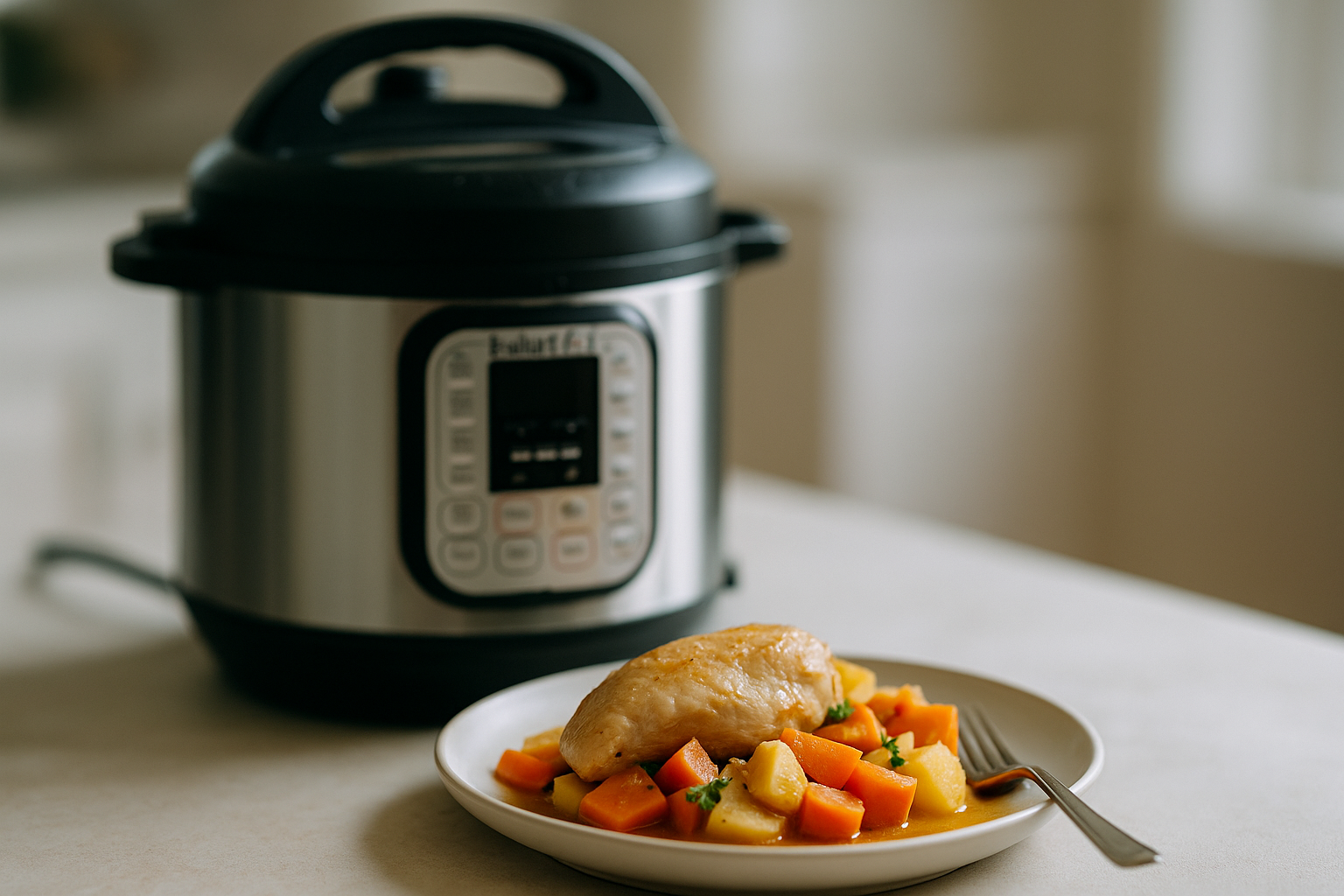
You open the Instant Pot box with high hopes of effortless weeknight dinners, only to find yourself overwhelmed by buttons, steam release valves, and recipes that seem to require a PhD in pressure cooking. The promise was simple: dump ingredients in, walk away, come back to a finished meal. So why does it feel so complicated? Here’s the truth – once you understand a handful of truly hands-off recipes, your Instant Pot becomes exactly what it promised to be: a dinner-making machine that practically runs itself.
The secret to genuine set-it-and-forget-it Instant Pot cooking isn’t about finding fancy recipes with fifteen ingredients. It’s about choosing dishes that require minimal prep, no sautéing steps, and ingredients you can layer without precooking. These meals let you add everything to the pot, seal the lid, press a button, and actually walk away without hovering or stirring. Whether you’re managing a busy household or simply tired of standing over the stove, these virtually self-cooking dinners will transform how you approach weeknight meals.
Why Some Instant Pot Recipes Truly Cook Themselves (and Others Don’t)
Not all Instant Pot recipes are created equal when it comes to hands-off cooking. Many so-called “easy” recipes still require you to sauté aromatics first, brown meat, or add ingredients in stages. That’s not self-cooking – that’s just using your Instant Pot as an expensive pot with extra steps. The recipes that genuinely cook themselves share specific characteristics that eliminate active cooking time.
First, they use ingredients that can go into the pot raw without affecting texture or safety. This means choosing cuts of meat that become tender under pressure (like chicken thighs, pork shoulder, or beef chuck) rather than delicate proteins that need careful monitoring. Second, they layer ingredients strategically so everything cooks properly without stirring. Denser vegetables go on the bottom near the heat source, while quick-cooking items sit on top or get added at the end using natural pressure release time.
The magic happens when you combine proteins and aromatics that release enough liquid during cooking to prevent burning. This is why dump dinner recipes work so brilliantly – ingredients like tomatoes, broth-based sauces, and even frozen vegetables release moisture as they heat, creating the steam needed for pressure cooking without any babysitting required.
The Five-Ingredient Formula for Foolproof Instant Pot Dinners
The simplest self-cooking meals follow a basic formula: protein, liquid, aromatics, vegetables, and seasoning. You don’t need elaborate ingredient lists or complicated techniques. A basic chicken and rice dinner might include chicken thighs, chicken broth, onion soup mix, frozen mixed vegetables, and rice. That’s it. The Instant Pot does the rest.
For one-pot meals with minimal cleanup, consider layering your ingredients rather than mixing them. Place your protein on the bottom, add your liquid and seasonings, then create a foil sling or use a steamer basket to cook rice or pasta above the main dish. This method lets you create complete meals without any pot-in-pot complications or pre-cooking steps.
The liquid component is crucial for pressure cooking success. You need at least one cup of thin liquid (water, broth, wine, or watery sauces) to build pressure safely. Thick sauces like barbecue sauce or cream-based mixtures don’t create steam efficiently, so always thin them with broth or water. If you’re worried about diluting flavors, remember that the sealed environment intensifies seasonings – you’ll often find that dishes taste richer and more concentrated than stovetop versions.
Dump-and-Go Proteins That Never Fail
Certain proteins are virtually impossible to mess up in the Instant Pot, making them perfect candidates for truly hands-off cooking. Chicken thighs topped with salsa, taco seasoning, and a can of black beans become perfect burrito filling in 15 minutes under pressure. Pork shoulder rubbed with spices and nestled with onions and apple cider vinegar transforms into pulled pork without any searing or monitoring.
Beef stew meat becomes fork-tender when combined with carrots, potatoes, beef broth, and a packet of onion soup mix – no browning required despite what traditional recipes insist. The high-pressure environment creates deep flavors through ingredient interaction alone. Many home cooks discover that Instant Pot recipes deliver restaurant-quality results without the traditional steps of browning and deglazing.
For weeknight efficiency similar to our quick 30-minute dinner strategies, keep frozen proteins in mind. Frozen chicken breasts, still solid from the freezer, cook perfectly in marinara sauce with Italian seasoning for easy chicken parmesan. Frozen meatballs go straight into tomato sauce with pasta and broth for a complete spaghetti dinner. The Instant Pot handles frozen ingredients beautifully, adding just a few extra minutes to cooking time.
Pasta Dinners Without the Pot-Watching
Traditional pasta cooking requires constant attention – waiting for water to boil, stirring to prevent sticking, testing for doneness, and timing everything perfectly. Instant Pot pasta eliminates all of that. You add dried pasta directly to the pot with sauce, protein, and liquid, then walk away. The pasta cooks in its sauce, absorbing flavors while releasing starches that create a naturally creamy texture.
The key ratio to remember is this: for every 8 ounces of dried pasta, use about 2 cups of liquid. This includes any watery ingredients like canned tomatoes, broth, or jarred sauce thinned with water. Break long pasta like spaghetti in half so it fits in the pot, arrange it in a crisscross pattern to prevent clumping, and make sure every piece is submerged under liquid. Don’t stir – just press it down gently.
Set your Instant Pot to pressure cook for exactly half the time listed on the pasta package, then use quick release. For example, if your pasta box says 10 minutes, pressure cook for 5 minutes. The pasta finishes cooking during the brief pressure release time. If it seems slightly watery when you open the lid, let it sit for 2-3 minutes – the starches will continue absorbing liquid and thickening the sauce.
Rice and Grain Dishes That Require Zero Attention
Rice cookers exist for a reason – grains and pressure cooking are a match made in kitchen heaven. Your Instant Pot excels at cooking rice, quinoa, barley, and other grains to perfect texture without any stirring, checking, or worrying about burnt bottoms. The sealed environment traps moisture exactly where it’s needed.
For a complete meal, try the layering method. Place chicken pieces on the bottom of the pot with salsa or teriyary sauce, then add a cup of rinsed rice and two cups of chicken broth on top. The rice cooks in the flavorful steam rising from the chicken below. After 15 minutes under pressure and 10 minutes of natural release, you have perfectly cooked protein and fluffy rice in the same pot.
This approach works beautifully for global-inspired dishes. Create a simplified chicken biryani with chicken thighs, basmati rice, curry powder, and chicken broth. Make a Mexican-style rice bowl with ground beef, salsa, rice, and black beans. Build an Asian-inspired dinner with pork, soy sauce, ginger, jasmine rice, and frozen stir-fry vegetables. The possibilities expand once you understand that the Instant Pot essentially steam-cooks everything simultaneously while pressure intensifies flavors.
Soups and Stews That Build Flavor Without Effort
Soups and stews are perhaps the ultimate self-cooking Instant Pot meals. Traditional versions require hours of simmering to develop deep flavors and tender textures. The Instant Pot compresses that time dramatically while building even richer flavor through the high-pressure environment. Many recipes featured in dump-and-go collections focus on soups for exactly this reason.
A basic chicken soup requires nothing more than chicken pieces, chopped vegetables (fresh or frozen), broth, and seasonings all added at once. Twenty minutes under pressure creates a soup that tastes like it simmered all afternoon. For heartier options, beef and barley soup comes together with stew meat, barley, vegetables, beef broth, and tomato paste – no pre-browning needed despite conventional wisdom.
The secret to rich-tasting soups without sautéing is using enough aromatics and building layers of seasoning. A combination of garlic powder, onion powder, dried herbs, and a bay leaf creates surprising depth. If you want even more flavor, add a splash of soy sauce or Worcestershire sauce to beef-based soups, or a squeeze of lemon juice to chicken soups after cooking. These small additions transform simple ingredient lists into complex-tasting meals, much like the approach in our guide to balancing flavors with salt, fat, acid, and heat.
Timing and Troubleshooting for True Hands-Off Success
The biggest stumbling block for new Instant Pot users isn’t the cooking itself – it’s understanding the timing. When a recipe says “20 minutes,” that’s just the pressurized cooking time. You also need to account for the time it takes to come to pressure (usually 10-15 minutes) and the release time. For truly hands-off cooking, natural pressure release is your friend because you don’t need to be present when it happens.
Natural release means you simply turn off the Instant Pot and walk away after the cooking cycle ends. The pressure drops gradually over 10-20 minutes, and during this time, food continues cooking gently. This method is ideal for meats, grains, and soups because it prevents overcooking and keeps meats tender. Quick release, where you manually vent the steam, works better for vegetables and pasta that can quickly become mushy.
If you open your Instant Pot to find dinner isn’t quite done, don’t panic. Simply close the lid and pressure cook for a few more minutes. Unlike stovetop cooking where timing mistakes can ruin a dish, the Instant Pot is forgiving. Slightly undercooked chicken? Give it 3 more minutes. Rice a bit too firm? Add a splash of liquid and cook for 2 more minutes. The ability to seal and continue cooking makes recovery easy.
The burn warning is the most common issue with dump-and-go recipes, and it almost always means insufficient thin liquid or ingredients stuck to the bottom. To prevent this, always add your liquid first, then layer other ingredients on top without stirring. Deglaze the pot with a splash of liquid if you do sauté anything first, scraping up any stuck bits. And remember that thick sauces need to be thinned – when in doubt, add an extra half cup of broth or water.
Making Self-Cooking Dinners Part of Your Weekly Routine
The real magic of Instant Pot cooking happens when you stop thinking of it as a special cooking method and start treating it as your default for weeknight dinners. Stock your pantry with pressure-cooking staples: dried pasta, rice, canned tomatoes, broth, frozen vegetables, and your favorite seasoning packets. Keep versatile proteins like chicken thighs, ground beef, and pork shoulder in your freezer.
Meal planning becomes simpler when you know you can create dinner in under an hour with minimal hands-on time. Monday might be salsa chicken with rice, Wednesday could be pasta with meat sauce, and Friday might feature beef stew. None of these meals require you to stand in the kitchen – just a few minutes of ingredient-dumping, then freedom to help with homework, catch up on work, or simply relax while dinner cooks itself.
The cleanup factor makes these meals even more appealing. One pot means one thing to wash, and the Instant Pot’s stainless steel insert cleans easily since nothing burns or sticks when you follow proper layering techniques. For busy professionals interested in efficient kitchen strategies, this aligns perfectly with meal prep approaches that maximize efficiency and minimize stress.
Your Instant Pot isn’t just another kitchen gadget taking up counter space. It’s a legitimate solution for the daily dinner dilemma, capable of producing satisfying, flavorful meals with almost no active cooking required. The learning curve is shorter than you think – master three or four dump-and-go recipes that your family enjoys, and you’ll wonder how you ever managed weeknight dinners without it. Start with a simple protein and rice combination tonight, and experience what truly hands-off cooking feels like.

Leave a Reply