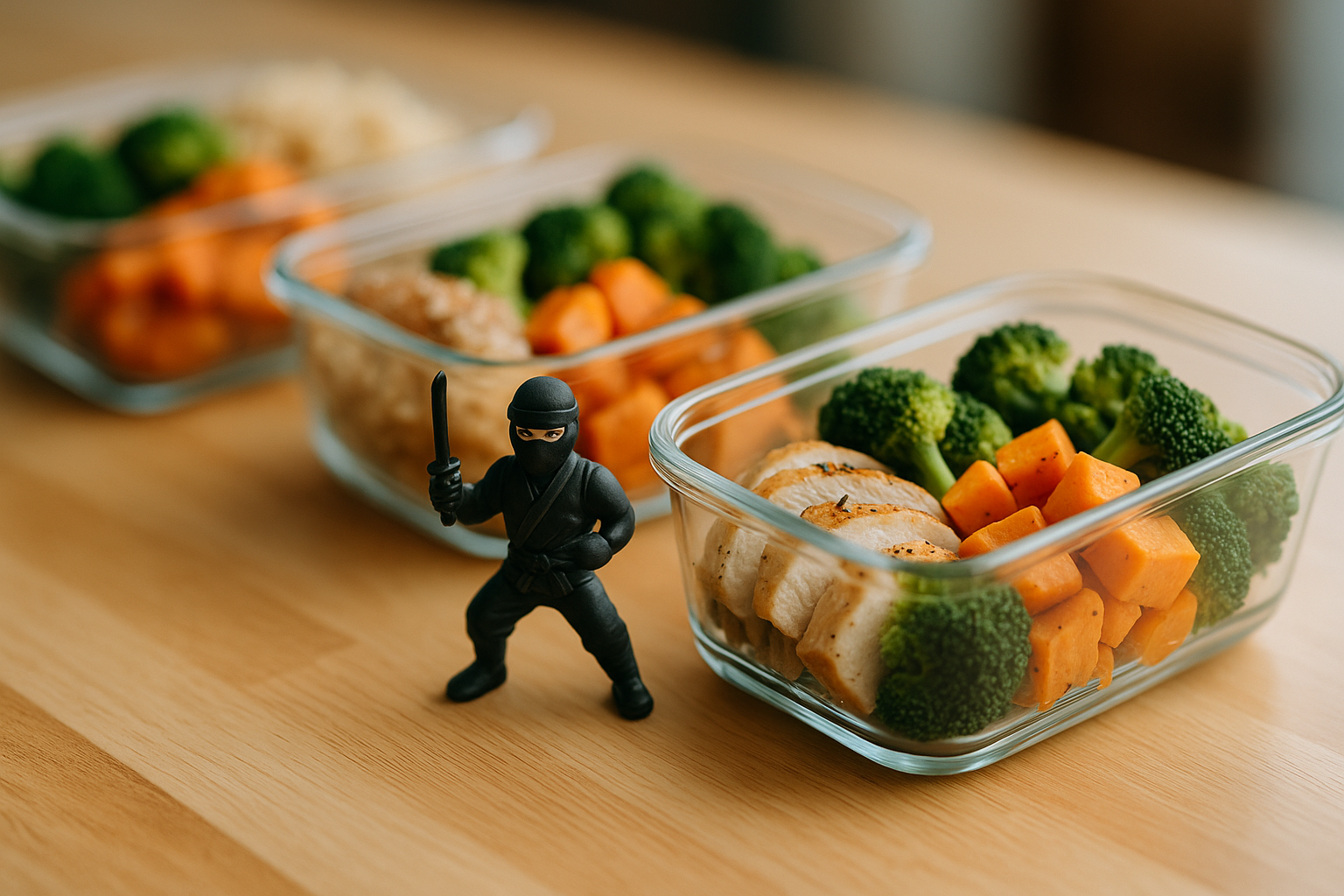
Sunday afternoon rolls around, and you face a choice: spend the next few hours cooking and organizing meals for the week, or wing it and end up ordering pizza for the third time by Wednesday. Most people choose chaos over planning because they think meal prep requires turning their kitchen into a commercial food factory. The reality? Strategic meal prep takes less time than you spend scrolling social media each week and eliminates the daily stress of figuring out what to eat.
Meal prep isn’t about cooking seven identical chicken and broccoli containers or spending your entire weekend in the kitchen. It’s about making smart decisions once that pay dividends all week long. When you nail your meal prep routine, you reclaim hours of time, save money, reduce food waste, and actually eat better because healthy options are already waiting for you. The secret lies in working smarter, not harder, and understanding which prep strategies give you the biggest return on your time investment.
Whether you’re a busy professional grabbing meals between meetings, a parent juggling multiple schedules, or someone who simply wants to spend less time thinking about food, mastering meal prep techniques transforms your relationship with cooking and eating. Let’s break down the ninja-level strategies that make meal prep actually work in real life.
The Foundation: Planning Before You Prep
The biggest meal prep mistake happens before you even enter the kitchen. People dive straight into cooking without a clear plan, which leads to random ingredients, incompatible dishes, and containers of food nobody wants to eat by Thursday. Successful meal prep starts with strategic planning that considers your actual schedule, preferences, and cooking abilities.
Begin by auditing your week honestly. Which nights do you have more time? When are you most likely to want something quick and easy? According to nutrition experts on meal preparation, matching your prep strategy to your real schedule dramatically increases success rates. If you know Tuesday nights are chaotic, that’s when you need the grab-and-go option, not the meal that requires assembly.
Next, choose recipes with ingredient overlap. This is where ninja-level prep separates from amateur hour. Instead of planning seven completely different meals, select recipes that share core ingredients. Roast a large batch of vegetables that work in grain bowls, alongside protein, and mixed into omelets. Cook chicken that transforms into tacos, salads, and stir-fries. This approach, highlighted in professional meal prep strategies, cuts your prep time in half while maintaining variety.
Finally, write everything down. A vague mental plan falls apart the moment you’re hungry and staring into your refrigerator. Create a simple grid showing which meals you’ll eat when, what ingredients you need, and which components you’ll prep in advance. This becomes your roadmap that keeps you on track even when motivation fades.
Batch Cooking: The Time-Saving Powerhouse
Batch cooking is the backbone of efficient meal prep, but it doesn’t mean cooking complete meals in bulk. The smartest approach involves preparing versatile components that mix and match throughout the week, preventing food fatigue while maximizing your cooking efficiency.
Start with protein. Whether you eat meat, fish, tofu, or legumes, cooking protein in larger quantities saves enormous time. Roast several pounds of chicken thighs, bake a large salmon fillet, or simmer a big pot of beans. Season each batch differently to create variety. Chicken with Mediterranean herbs Monday becomes completely different from chicken with Mexican spices Thursday, even though you cooked both at once.
Grains and starches form your second pillar. Cook a large batch of rice, quinoa, or farro that stays fresh for five days. Roast sweet potatoes, regular potatoes, or prepare polenta. These neutral bases absorb different flavors throughout the week, transforming from side dish to main attraction depending on what you pair them with. If you’re looking for quick weeknight dinner inspiration, having pre-cooked grains cuts your cooking time dramatically.
Vegetables require the most strategic thinking because they vary in how long they stay fresh. Hardy vegetables like broccoli, Brussels sprouts, and carrots handle advance roasting beautifully. Leafy greens and delicate vegetables work better when prepped but not cooked – washed, chopped, and stored properly, ready to quickly saute or eat raw. The top tricks from meal prep experts emphasize understanding which vegetables improve with advance cooking versus those better prepared fresh.
The Sheet Pan Method
Sheet pan cooking revolutionizes batch prep because you can cook multiple components simultaneously without multiple pots and pans. Line two or three sheet pans with different proteins and vegetables, each seasoned according to their final destination. While one pan roasts chicken with Italian seasoning, another cooks tofu with Asian-inspired flavors, and a third roasts a rainbow of vegetables. In 25 to 35 minutes, you’ve prepared the bulk of your week’s meals using minimal effort and dishes.
Smart Storage Strategies That Preserve Quality
You can prep the most delicious food in the world, but if your storage game is weak, you’ll end up with soggy, unappetizing meals that go straight to the trash. Professional-level storage maintains texture, flavor, and freshness throughout the week.
Invest in quality containers with tight-sealing lids. Glass containers work better than plastic for most foods because they don’t absorb odors, can go from fridge to microwave safely, and keep food fresh longer. Have containers in various sizes – large ones for bulk components, medium ones for assembled meals, and small ones for sauces, dressings, and toppings.
The golden rule of storage: keep wet separate from dry until you’re ready to eat. Store your crispy roasted chickpeas separately from your salad greens. Keep sauce on the side until you reheat your grain bowl. Pack your dressing in a small container that you add right before eating. This simple strategy prevents the dreaded soggy meal syndrome that makes people abandon meal prep entirely.
Master the art of proper cooling before storage. Hot food goes into containers creates condensation, which leads to bacterial growth and mushy textures. Let your cooked components cool to room temperature, but don’t leave them out longer than two hours for food safety. Spread items on cooling racks to speed the process, then transfer to containers and refrigerate promptly.
Freezer Tactics for Extended Freshness
Your freezer is an underutilized meal prep weapon. Soups, stews, cooked grains, and many proteins freeze beautifully for up to three months. Portion these items into individual servings before freezing, so you can grab exactly what you need. Label everything with contents and date – future you will be grateful when you’re staring at mystery containers. For variety throughout the month, check out one-pot meals that freeze well and minimize your cleanup time.
The Assembly Line Approach
Once your components are cooked and cooled, assembly becomes the final ninja-level skill. Rather than building each meal individually, use an assembly line method that packages your entire week in minutes instead of hours.
Set up stations on your counter or table with each component in its own container. Arrange your empty storage containers in a row. Move down the line, adding each element to every container in sequence. First, the grain base goes into each container. Next, add protein to each one. Then vegetables, followed by any toppings or garnishes. Finally, package sauces separately in small containers.
This restaurant-style approach feels mechanical at first but becomes meditative once you find your rhythm. You’ll assemble five lunches faster than you could make one meal from scratch, and everything comes out perfectly portioned and organized.
Build in variety by creating different combinations from the same components. Container one gets chicken, rice, roasted vegetables, and tahini sauce for a Mediterranean vibe. Container two combines the same chicken with different vegetables and teriyaki sauce for Asian-inspired flavors. Container three uses your batch-cooked beans instead of chicken for a plant-based option. Same prep work, completely different eating experiences.
Time-Saving Shortcuts That Actually Work
Ninja-level meal prep embraces smart shortcuts that save time without sacrificing quality. The goal is efficiency, not proving you can do everything from scratch.
Pre-washed salad greens, pre-cut vegetables from the grocery store, and rotisserie chicken are legitimate time-savers when you’re getting started or having a hectic week. Yes, they cost more than buying whole ingredients, but they cost less than ordering takeout and take less time than abandoning meal prep entirely. Use these strategically during your busiest weeks.
Kitchen tools dramatically impact your prep speed. A food processor chops vegetables in seconds instead of minutes. An instant pot or pressure cooker turns dried beans into tender perfection in 30 minutes instead of hours. A rice cooker delivers perfect grains while you focus on other tasks. These aren’t mandatory, but if you meal prep regularly, they’re worth considering as investments in your time.
Multitask strategically while respecting food safety. While vegetables roast in the oven, chop ingredients for another recipe. While grains simmer, prepare your containers and storage area. While proteins rest after cooking, make your sauces and dressings. Layer your tasks so something is always happening, but you’re not frantically juggling too many things at once.
The Prep-As-You-Cook Method
Not everyone wants to dedicate a full afternoon to meal prep. The prep-as-you-cook method involves making extra whenever you cook a regular meal. Making dinner tonight? Double the recipe and pack the extra portions for later in the week. Cooking rice? Make triple the amount you need. This gradual approach builds your meal prep stash without requiring dedicated prep sessions, perfect for people who prefer spreading the work throughout the week.
Avoiding Meal Prep Burnout
The most common reason people quit meal prep isn’t lack of time or skills. It’s eating the same boring food until they can’t stand the sight of another identical container. Preventing meal prep burnout requires intentional variety and flexibility built into your system.
Rotate your recipes every few weeks. Even if you love a particular dish, eating it every week for months will eventually kill your enthusiasm. Keep a collection of 15 to 20 reliable recipes and cycle through them, ensuring you’re not repeating the same meals too frequently. Treat meal prep like a playlist – you have favorites, but you need variety to maintain interest.
Leave room for spontaneity and social eating. Meal prep should reduce stress, not create a rigid prison where you feel guilty for accepting a dinner invitation or trying a new restaurant. Plan for four or five prepped meals per week, not seven. This gives you flexibility for unexpected opportunities while still covering most of your eating needs.
Embrace theme weeks or international cuisine rotations to keep things exciting. One week might focus on Mediterranean flavors with olive oil, lemon, and herbs. The next week shifts to Mexican-inspired meals with beans, peppers, and cumin. The following week explores Asian cuisine with soy sauce, ginger, and sesame. Same prep techniques, completely different flavor profiles that keep your taste buds engaged.
Finally, give yourself permission to modify the plan mid-week. If you’re not feeling the salad you packed on Wednesday, swap it for Thursday’s grain bowl. The food police won’t arrest you for eating meals in a different order than planned. Flexibility prevents the rebellious “forget it, I’m ordering pizza” response that derails your entire system.
Making Meal Prep Sustainable Long-Term
The difference between people who meal prep for a month versus those who maintain it for years comes down to building sustainable habits rather than trying to be perfect. Start smaller than you think necessary, then scale up as the routine becomes automatic.
Your first week, prep just lunches. Once that feels manageable, add breakfast prep. Then eventually include some dinners. This gradual approach prevents overwhelm and allows you to troubleshoot problems before they multiply. Many people fail because they try to prep every single meal immediately, get exhausted, and quit entirely.
Find your optimal prep schedule through experimentation. Some people thrive with Sunday afternoon mega-prep sessions. Others prefer splitting prep between Sunday and Wednesday. Some do better with the prep-as-you-cook method spread throughout the week. There’s no universally correct answer, only what works for your energy levels, schedule, and preferences.
Track what works and what doesn’t. Keep notes on your phone about which recipes held up well, which containers leaked, which meals you actually wanted to eat versus forcing yourself to finish. Use this information to refine your approach continuously. Meal prep is a skill that improves with practice and attention to your own patterns and preferences.
Remember that meal prep serves you, not the other way around. Some weeks will be too chaotic for extensive prep, and that’s fine. Having a simplified backup version of your routine – maybe just prepping breakfast and keeping lunch simple with quality convenience items – keeps you in the habit even during crazy periods. Sustainability comes from adaptability, not rigidity.
The ultimate ninja-level meal prep skill isn’t cooking everything perfectly or having Instagram-worthy containers. It’s creating a personalized system that saves you time, reduces stress, and helps you eat better without taking over your entire life. Start with one or two strategies from this guide, master them, then gradually add more techniques as they become second nature. Your future self, enjoying a delicious homemade lunch while everyone else waits in the takeout line, will thank you for the investment.

Leave a Reply