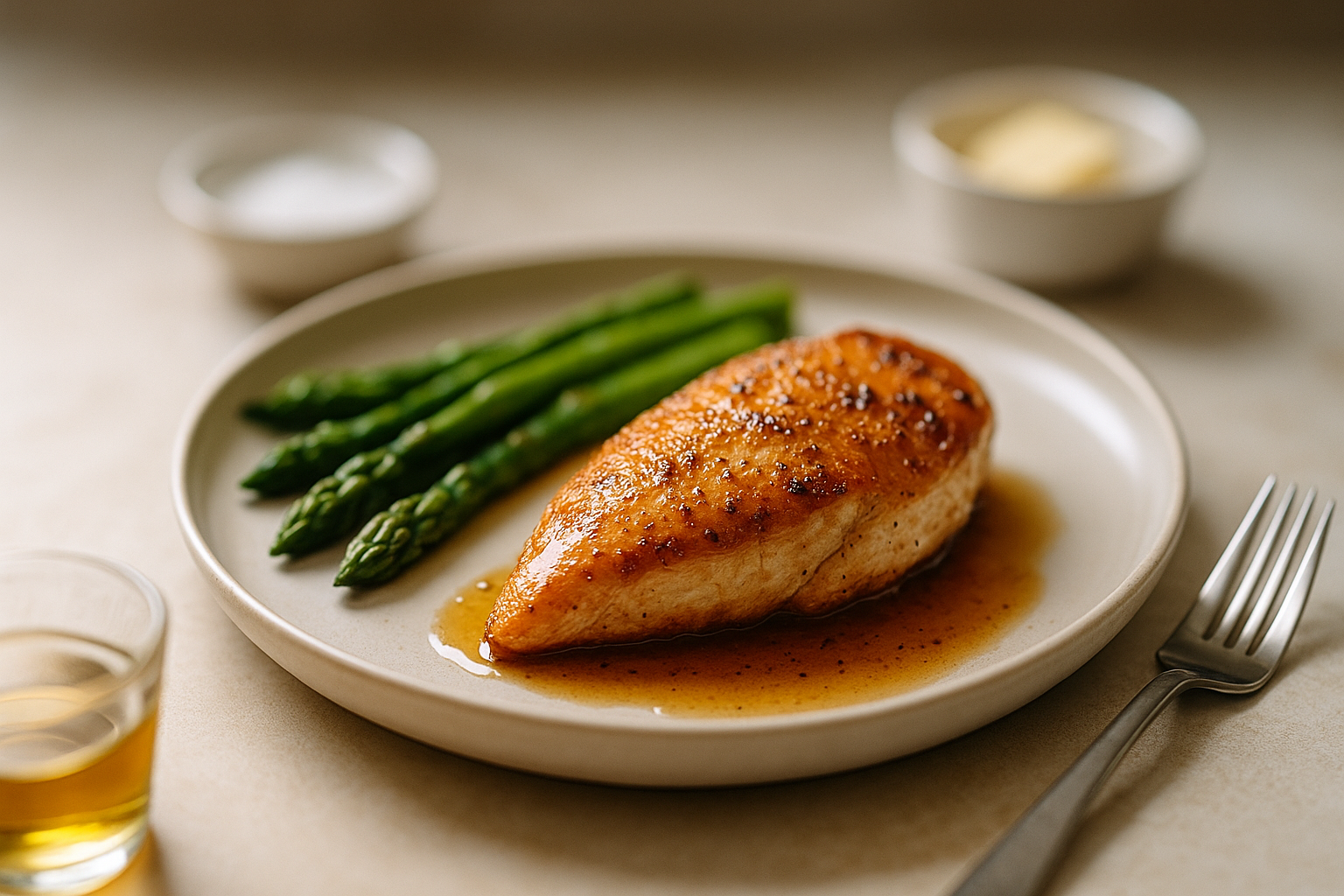
You’re standing in front of the refrigerator with a half-empty bottle of white wine, some butter, a lemon, fresh shrimp, and a package of pasta. Thirty minutes later, you could have a restaurant-quality scampi that tastes like you spent hours in the kitchen. The secret that professional chefs know but rarely share? The most impressive dishes often require the fewest ingredients. When you strip away the complexity, you’re left with pure, focused flavors that let each component shine.
The magic of 5-ingredient cooking isn’t about limitation. It’s about liberation. Instead of hunting down obscure ingredients or following complicated techniques, you focus on quality components and simple methods that produce extraordinary results. These recipes prove that gourmet cooking doesn’t require a culinary degree or a pantry stocked like a specialty store. With the right combinations and a few essential techniques, you can create dishes that impress dinner guests and satisfy your own craving for something special.
Why Five Ingredients Is the Sweet Spot
There’s a reason why Italian cuisine has captivated the world for centuries, and it’s not because of complexity. Traditional Italian cooking relies on a handful of high-quality ingredients prepared simply. A classic Margherita pizza has just five components: dough, tomatoes, mozzarella, basil, and olive oil. Cacio e pepe uses only pasta, Pecorino Romano, black pepper, and pasta water. These dishes have survived generations because they understand a fundamental truth about flavor: more ingredients don’t make food better.
When you limit your ingredient count, each one becomes crucial. You can’t hide behind a dozen spices or sauces. This forces you to choose better quality ingredients and treat them with respect. That grocery store chicken becomes something you season thoughtfully and cook with attention. The produce you select needs to be fresh because it will play a starring role, not a supporting one. According to culinary experts on simple cooking, this approach actually makes you a better cook because you learn to understand how individual flavors work together.
The practical benefits extend beyond taste. Shopping becomes faster when your list contains five items instead of fifteen. Prep work takes minutes instead of an hour. Your kitchen stays cleaner because you’re not juggling multiple cutting boards, bowls, and utensils. For busy weeknights, this efficiency means the difference between cooking a real meal and resorting to takeout. If you’re looking to streamline your cooking routine even further, consider how quick weeknight dinner strategies can complement your 5-ingredient approach.
Pan-Seared Salmon with Honey-Mustard Glaze
Few combinations deliver more sophisticated flavor than the marriage of sweet honey, sharp Dijon mustard, and rich salmon. This dish comes together in fifteen minutes but tastes like something you’d order at an upscale bistro. The key is getting a perfect crispy skin on your salmon, which happens when you resist the urge to move the fish around in the pan.
Start with salmon fillets with the skin on, Dijon mustard, honey, fresh lemon, and olive oil. Pat the salmon completely dry – this is the secret to that restaurant-quality crispy skin. Heat olive oil in a stainless steel or cast iron pan over medium-high heat until it shimmers. Season the salmon with salt and pepper, then place it skin-side down in the hot pan. Don’t touch it for four to five minutes. The fish will release naturally when it’s ready to flip.
While the salmon cooks, whisk together equal parts Dijon mustard and honey with a squeeze of lemon juice. When the skin is deeply golden and crispy, flip the salmon and immediately brush the cooked side with your glaze. Cook for another two to three minutes depending on thickness. The glaze caramelizes slightly, creating a beautiful sheen and complex sweet-tangy flavor that complements the fatty richness of the salmon. Serve this with a simple green salad or roasted vegetables, and you have a meal that looks and tastes gourmet with minimal effort.
Creamy Tuscan White Beans
Italians have perfected the art of making humble ingredients taste extraordinary, and this dish exemplifies that philosophy. With just cannellini beans, garlic, rosemary, olive oil, and Parmesan, you create a side dish so flavorful it could easily become the main event. The technique here matters more than the ingredient list.
Use high-quality canned cannellini beans – imported Italian brands make a noticeable difference in texture and flavor. Drain and rinse them, then set aside. In a wide pan, warm a generous amount of excellent olive oil over medium heat. Add several whole garlic cloves, lightly smashed, and a few sprigs of fresh rosemary. Let them sizzle gently for two to three minutes until the garlic turns golden and fragrant. This infuses the oil with incredible flavor.
Remove the rosemary sprigs and add the beans along with a quarter cup of pasta water or vegetable broth. The starchy liquid helps create a creamy sauce without any cream. Simmer for five minutes, gently mashing some of the beans against the side of the pan to thicken the mixture. Finish with freshly grated Parmesan and a drizzle of your best olive oil. The result is silky, aromatic, and complex enough to serve at a dinner party. For more inspiration on creating elegant meals with simple ingredients, these five-ingredient meal ideas offer additional creative approaches.
The Power of Quality Olive Oil
This dish highlights why keeping a bottle of premium extra virgin olive oil in your pantry changes everything. When olive oil is a finishing ingredient rather than just cooking fat, its flavor becomes central to the dish. The peppery, fruity notes of good olive oil transform simple beans into something memorable. Think of it as your secret weapon for elevating minimal-ingredient recipes.
Balsamic-Glazed Pork Tenderloin
Pork tenderloin often gets overlooked, but it’s one of the most versatile and quick-cooking proteins available. This preparation uses pork tenderloin, balsamic vinegar, brown sugar, garlic, and butter to create a glossy, sweet-tart glaze that makes the meat taste like it’s been marinating for hours. The entire process takes thirty minutes from refrigerator to table.
Season your pork tenderloin generously with salt and pepper. Sear it in butter over medium-high heat until deeply browned on all sides – this takes about eight minutes total. Remove the pork and set it aside. In the same pan, add minced garlic and cook for thirty seconds until fragrant. Pour in a half cup of balsamic vinegar and two tablespoons of brown sugar, scraping up all those delicious browned bits from the bottom of the pan.
Return the pork to the pan and spoon the glaze over it continuously as it reduces and thickens. The vinegar’s acidity cuts through the richness of the meat while the sugar caramelizes into a beautiful coating. When the internal temperature reaches 145 degrees Fahrenheit, remove the pork and let it rest for five minutes before slicing. The glaze should coat the back of a spoon. Drizzle extra glaze over the sliced pork and watch your guests’ reactions. This dish pairs beautifully with techniques from our guide to perfect searing and roasting methods.
Caprese Salad with a Twist
The traditional Caprese salad proves that simplicity wins when ingredients are impeccable. Ripe tomatoes, fresh mozzarella, basil, olive oil, and balsamic reduction create a dish that tastes like summer in Italy. The twist here is using a balsamic reduction instead of straight vinegar, which adds sweetness and visual elegance.
Make your balsamic reduction by simmering a cup of balsamic vinegar over medium heat until it reduces by half and becomes syrupy. This takes about ten minutes and transforms the sharp vinegar into something sweet, complex, and glossy. Let it cool while you prepare the other ingredients – it will thicken further as it cools.
Slice heirloom tomatoes and fresh mozzarella into thick rounds. Arrange them on a platter, alternating and overlapping slightly. Tear fresh basil leaves and tuck them between the slices. Drizzle with your best extra virgin olive oil and the balsamic reduction. Finish with flaky sea salt and cracked black pepper. The combination of creamy mozzarella, juicy tomatoes, aromatic basil, fruity olive oil, and sweet-tart balsamic creates layers of flavor that seem impossible from such simple components. As food experts note about minimal-ingredient cooking, the quality of each component becomes the star when you aren’t masking flavors with complexity.
Brown Butter Gnocchi with Sage
This classic Italian dish requires only store-bought gnocchi, butter, fresh sage, Parmesan, and a pinch of salt. Yet it delivers the kind of sophisticated, nutty flavor that makes people think you’ve been cooking all day. The magic happens when butter transforms from a simple fat into something complex and aromatic through browning.
Cook your gnocchi according to package directions – they float when done. While the gnocchi cooks, melt butter in a large skillet over medium heat. Once melted, it will foam, then the foam will subside, and the milk solids will begin to brown. Swirl the pan constantly and watch carefully. When the butter turns golden brown and smells nutty and incredible, add whole fresh sage leaves. They’ll sizzle and crisp in seconds.
Use a slotted spoon to transfer the cooked gnocchi directly into the brown butter, along with a few tablespoons of the starchy cooking water. Toss everything together. The pasta water helps create a silky sauce that coats each pillow of gnocchi. The browned butter provides depth and richness, while the crispy sage adds an earthy, slightly peppery note. Finish with freshly grated Parmesan and black pepper. This dish tastes like it came from a trattoría in Rome, but it takes less time than ordering delivery.
Understanding Brown Butter
Learning to brown butter opens up dozens of simple yet impressive recipes. The process concentrates the butter’s flavor while adding nutty, caramel notes. Watch it carefully because it goes from perfectly browned to burned in seconds. The moment you smell that toasty, nutty aroma and see golden-brown specks in the bottom of the pan, remove it from heat immediately. This technique elevates everything from vegetables to pasta to desserts.
Lemon Garlic Shrimp Scampi
Few dishes deliver restaurant-quality results as quickly as shrimp scampi. With just shrimp, garlic, lemon, white wine, and butter, you create something elegant enough for guests but fast enough for a weeknight. The key is high heat and quick cooking – overcooked shrimp turn rubbery and lose their sweet, delicate flavor.
Pat large shrimp completely dry and season with salt and pepper. Heat butter in a large skillet over medium-high heat. When it stops foaming, add the shrimp in a single layer. Cook without moving them for two minutes until pink on the bottom, then flip and cook one more minute. Remove the shrimp and set aside – they’ll finish cooking in the sauce.
Add minced garlic to the pan and cook for thirty seconds, then pour in white wine and fresh lemon juice. Let the sauce bubble and reduce by half, scraping up any browned bits. Return the shrimp to the pan along with any accumulated juices. Toss everything together and finish with more butter and fresh lemon zest. The sauce should be glossy and coat the shrimp beautifully. Serve this over pasta, with crusty bread for soaking up the sauce, or over a bed of greens for a lighter option. The bright, garlicky flavors taste complex and carefully balanced, yet the whole dish takes less than fifteen minutes.
Roasted Balsamic Brussels Sprouts
Brussels sprouts have undergone a major reputation upgrade in recent years, and preparations like this show why. With just Brussels sprouts, balsamic vinegar, olive oil, honey, and Parmesan, you turn a formerly maligned vegetable into something people actually fight over at the dinner table. The secret is high heat and caramelization.
Trim and halve Brussels sprouts, toss them with olive oil and salt, then spread them cut-side down on a baking sheet. Roast at 425 degrees Fahrenheit for twenty-five to thirty minutes until the cut sides are deeply caramelized and the outer leaves are crispy. This transformation from bitter to sweet happens through caramelization – the natural sugars in the sprouts concentrate and brown.
While the sprouts roast, whisk together balsamic vinegar and honey in a small saucepan. Simmer until reduced and syrupy. When the Brussels sprouts emerge from the oven, drizzle them with the balsamic-honey reduction and toss to coat. Finish with shaved Parmesan. The combination of crispy, caramelized Brussels sprouts, sweet-tart balsamic, and salty Parmesan creates addictive flavors and textures. This side dish often overshadows the main course, and people who claim to hate Brussels sprouts regularly change their minds after trying this version.
The Foundation of Great Simple Cooking
These recipes share common principles that extend beyond their specific ingredients. They rely on proper seasoning – salt and pepper appear in every dish because they enhance and balance flavors. They use heat strategically, whether that’s searing salmon skin until crispy, browning butter to develop nutty notes, or roasting Brussels sprouts until caramelized. They understand that quality ingredients need minimal intervention to shine.
Building your repertoire of 5-ingredient recipes changes how you approach cooking entirely. You stop seeing recipes as rigid formulas and start understanding them as techniques with interchangeable components. The brown butter and sage preparation works equally well with ravioli, butternut squash, or scallops. The balsamic reduction technique enhances everything from strawberries to chicken to roasted vegetables. Once you master these simple methods, you can improvise with whatever ingredients you have on hand.
Start with ingredients you genuinely enjoy eating. If you don’t like Brussels sprouts, swap them for broccoli or cauliflower using the same technique. Not a fan of pork? The balsamic glaze works beautifully on chicken breast or salmon. The recipes provide templates, but your taste preferences should guide the final product. This flexibility makes 5-ingredient cooking sustainable for everyday life, not just special occasions.
The satisfaction of creating gourmet-tasting food from a handful of ingredients never gets old. Each time you pull off a dish that seems more complicated than it actually is, you build confidence and expand your cooking intuition. You learn to trust simple preparations and quality ingredients over elaborate techniques and long ingredient lists. These recipes prove that impressive cooking isn’t about complexity or showing off – it’s about understanding flavors, respecting ingredients, and letting simplicity speak for itself. That half-empty bottle of wine and those few ingredients in your refrigerator contain more potential than you might think. The question isn’t whether you can cook something gourmet with five ingredients. The question is which of these dishes you’ll try first.

Leave a Reply