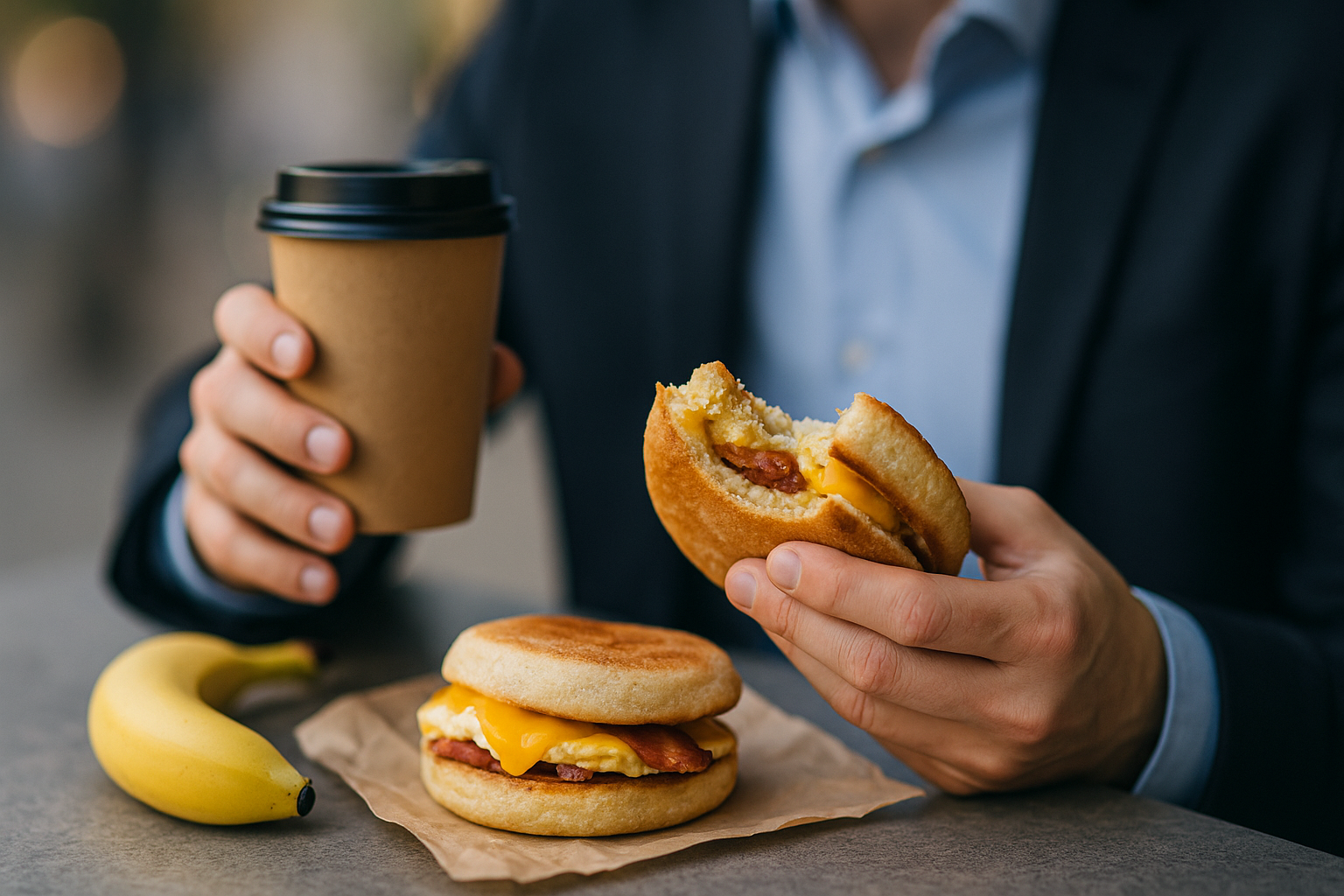
You hit snooze three times, stumble out of bed with barely enough time to shower, and rush out the door with nothing but coffee sloshing in your travel mug. By 10 AM, your stomach is growling so loudly your coworkers can hear it. This morning routine might feel inevitable when you’re perpetually racing against the clock, but it’s sabotaging your energy, focus, and overall health. The good news? Quick breakfasts for busy mornings don’t have to mean grabbing a stale muffin from the coffee shop or skipping the meal entirely.
Breakfast doesn’t need to be elaborate or time-consuming to be satisfying and nutritious. With the right strategies and a few go-to recipes in your arsenal, you can fuel your body properly in five minutes or less. Whether you’re meal prepping on weekends or assembling something fresh each morning, these quick breakfast solutions will transform your mornings from chaotic to manageable.
Why Breakfast Actually Matters (Even When You’re Rushed)
The “breakfast is the most important meal” advice sounds like something your grandmother would say, but research consistently backs it up. When you skip breakfast, you’re not just ignoring hunger pangs. You’re forcing your body to run on empty after an overnight fast that’s already depleted your glucose stores.
Your brain alone uses about 20% of your daily caloric intake, and it relies heavily on glucose for fuel. When you skip that morning meal, cognitive function suffers. You’ll notice slower reaction times, difficulty concentrating, and that foggy feeling that no amount of coffee seems to fix. According to nutrition experts on morning meal benefits, eating breakfast helps stabilize blood sugar levels and improves focus throughout the day.
Beyond mental performance, breakfast jumpstarts your metabolism and helps regulate appetite. People who eat breakfast regularly tend to make better food choices throughout the day and are less likely to overeat at lunch or reach for high-sugar snacks mid-morning. When you’re constantly rushed, establishing this one healthy habit creates a ripple effect that improves your entire day.
The Make-Ahead Breakfast Strategy
The absolute easiest way to ensure you eat breakfast on busy mornings is to prepare components in advance. This doesn’t mean dedicating your entire Sunday to food prep. It means spending 30-60 minutes making breakfast options that last all week.
Overnight oats are the ultimate make-ahead breakfast because they require zero morning effort. Combine rolled oats with milk (dairy or plant-based), Greek yogurt, chia seeds, and your choice of sweetener in mason jars or containers. Add flavoring like cinnamon, vanilla extract, or cocoa powder, then let them sit in the refrigerator overnight. In the morning, grab a jar and eat it cold or microwave it for 60 seconds. The combinations are endless: peanut butter and banana, apple cinnamon, chocolate cherry, or tropical with mango and coconut.
Egg muffins or frittata cups are another game-changer for protein-packed mornings. Whisk together eggs with vegetables like spinach, bell peppers, and onions, pour into muffin tins, add cheese if desired, and bake. These keep in the refrigerator for five days or freeze beautifully for up to three months. Two egg muffins reheated for 30 seconds provide substantial protein and keep you full until lunch.
For those who prefer sweet breakfasts, baked oatmeal cups offer grab-and-go convenience. Mix oats with mashed banana, eggs, milk, and mix-ins like blueberries, nuts, or chocolate chips. Bake in muffin tins, and you’ve got portable breakfast portions that taste like dessert but provide sustained energy. Resources like comprehensive make-ahead breakfast guides offer even more options for weekend preparation.
Five-Minute Fresh Breakfast Ideas
Make-ahead options are excellent, but sometimes you want something fresh without the time investment. These breakfast ideas come together in five minutes or less using minimal ingredients and basic kitchen tools.
The Upgraded Smoothie
Smoothies get a bad reputation for being sugar bombs, but a well-constructed smoothie provides balanced nutrition in a portable format. The key is following a formula: one cup liquid (milk, coconut water, or juice), one cup frozen fruit, one serving protein (Greek yogurt, protein powder, or nut butter), one handful greens (spinach disappears in berry smoothies), and optional add-ins like chia seeds, flax, or oats.
Prep smoothie packs in advance by portioning frozen fruit, greens, and dry ingredients into bags. In the morning, dump the contents into your blender, add liquid and protein, blend for 60 seconds, and pour into a travel cup. The blending and cleanup take less time than waiting in a drive-through line.
Avocado Toast Variations
Yes, avocado toast has become a cliche, but it remains popular because it works. Toast whole grain bread while you mash half an avocado with salt, pepper, and a squeeze of lemon. Spread it on the toast and you’ve got a satisfying breakfast in three minutes. Level it up by adding a fried egg (another two minutes), everything bagel seasoning, cherry tomatoes, or smoked salmon.
The beauty of this breakfast is its flexibility. Swap avocado for hummus, ricotta with honey, or almond butter with banana. The toast is just a vehicle for whatever protein and healthy fat combination you prefer.
Greek Yogurt Parfait
Layer Greek yogurt with granola, fresh fruit, and a drizzle of honey in a portable container. This takes two minutes to assemble and provides protein, probiotics, and fiber. Keep individual portions of granola in small containers to prevent it from getting soggy if you make this the night before.
For extra nutrition, add hemp seeds, sliced almonds, or a spoonful of nut butter between layers. The contrast of creamy yogurt, crunchy granola, and juicy fruit makes this feel indulgent despite being incredibly simple.
Grab-and-Go Breakfast Options You Can Buy
Not every breakfast needs to be homemade. Having quality grab-and-go options available means you’ll never skip breakfast even on your most chaotic mornings. The trick is choosing options with balanced macronutrients rather than sugar-loaded pastries disguised as breakfast food.
Look for protein bars with at least 10 grams of protein, minimal added sugar (under 8 grams), and recognizable ingredients. Brands like RXBAR, KIND Protein, and Larabar use whole food ingredients and provide sustained energy. Pair a bar with a piece of fruit for a more complete breakfast. According to expert recommendations on portable breakfast options, combining convenience items with fresh produce creates nutritionally balanced meals.
Hard-boiled eggs prepared in advance are protein powerhouses that require zero morning prep. Make a dozen on Sunday night (or buy them pre-cooked), and you’ve got breakfast protein sorted for the week. Pair two eggs with whole grain crackers and cherry tomatoes for a balanced meal you can eat in the car.
String cheese, whole grain crackers, and an apple might not sound like breakfast, but this combination provides protein, complex carbohydrates, and fiber. Break free from the idea that breakfast requires traditional breakfast foods. Any nutritionally balanced meal works, regardless of whether it looks like pancakes and bacon.
Setting Up Your Kitchen for Breakfast Success
The difference between consistently eating breakfast and constantly skipping it often comes down to your environment. When your kitchen is set up for breakfast success, the path of least resistance leads to a nutritious meal rather than running out the door empty-handed.
Start by designating a breakfast zone in your kitchen. Store breakfast essentials together: oats, nut butter, protein powder, whole grain bread, and grab-and-go options in one cabinet or shelf area. Keep your blender on the counter if you make smoothies regularly. The fewer barriers between you and breakfast, the more likely you’ll actually eat it.
Stock your freezer strategically. Frozen fruit is essential for smoothies, frozen whole grain waffles or pancakes can be toasted in minutes, and frozen breakfast burritos (homemade or quality store-bought) provide hot meals with zero effort. Having breakfast options that don’t require fresh ingredients means you can still eat well even when you haven’t grocery shopped recently.
Invest in the right containers. Mason jars work perfectly for overnight oats and parfaits. Insulated travel mugs keep smoothies or creative coffee drinks cold during your commute. Silicone muffin cups make egg muffins easy to remove and store. Good containers transform meals from kitchen-only to portable breakfast options.
Keep single-serve portions of add-ins ready. Pre-portion nuts, seeds, dried fruit, and granola into small containers or bags. When these components are ready to grab, assembling yogurt parfaits or topping oatmeal takes seconds instead of minutes.
Breaking the Time Barrier Mindset
The biggest obstacle to eating breakfast isn’t actually time. Most quick breakfasts take less than five minutes, which is less time than you probably spend scrolling social media while your coffee brews. The real barrier is the belief that you don’t have time, which becomes a self-fulfilling prophecy.
Track your actual morning routine for a few days. You’ll likely discover pockets of time spent on low-value activities that could be redirected toward breakfast. Those ten minutes of snoozing? That’s overnight oats and fruit. The five minutes checking email before you’re even out of bed? That’s a smoothie or avocado toast.
Consider what breakfast is competing with in your morning routine. If you’re choosing between breakfast and an elaborate makeup routine, or between eating and checking every social media platform, you’re making active choices about priorities. There’s no judgment in those choices, but recognizing them as choices rather than inevitabilities is empowering.
Some people genuinely aren’t hungry first thing in the morning, and that’s fine. Pack a breakfast to eat mid-morning at your desk. The timing matters less than ensuring you fuel your body before noon. A protein-rich snack at 9 AM beats skipping food entirely until a rushed lunch at 1 PM.
For inspiration on managing other rushed meals throughout your day, check out strategies for quick weeknight dinners that apply similar time-saving principles to evening meals.
Building Your Personal Breakfast Rotation
The final key to sustainable quick breakfasts is developing your personal rotation of five to seven go-to options. When you have reliable favorites that you genuinely enjoy, breakfast becomes automatic rather than a daily decision.
Start by identifying which quick breakfast category suits your preferences: make-ahead, five-minute fresh, or grab-and-go. You don’t need to master all three approaches. Pick the one that aligns with your lifestyle and perfect two or three options within that category.
If you love savory breakfasts, your rotation might include egg muffins, avocado toast with everything seasoning, and a veggie-loaded breakfast burrito. Sweet breakfast fans might rotate between overnight oats, smoothie bowls, and Greek yogurt parfaits. Having variety prevents boredom while maintaining the simplicity that makes quick breakfasts sustainable.
Experiment on weekends when you have more time. Try new overnight oats flavor combinations, test different smoothie recipes, or bake a batch of breakfast cookies. When you find winners, add them to your weekday rotation. This keeps breakfast interesting without requiring morning creativity when you’re half-asleep.
Remember that perfect is the enemy of good enough. A simple banana with almond butter is infinitely better than skipping breakfast entirely. Some mornings will be scrambled eggs and toast, others will be a protein bar eaten in the car. Both count as breakfast victories when you’re perpetually short on time.
Your morning routine sets the tone for your entire day. When you consistently fuel your body with nutritious breakfast, even simple quick options, you’ll notice improved energy, better focus, and fewer desperate mid-morning vending machine runs. The initial effort of establishing new breakfast habits pays dividends in how you feel and perform throughout your busy days. Start with one strategy from this guide, master it over the next week, and build from there. Your future self, standing in front of the refrigerator at 7 AM, will thank you for having a plan.

Leave a Reply