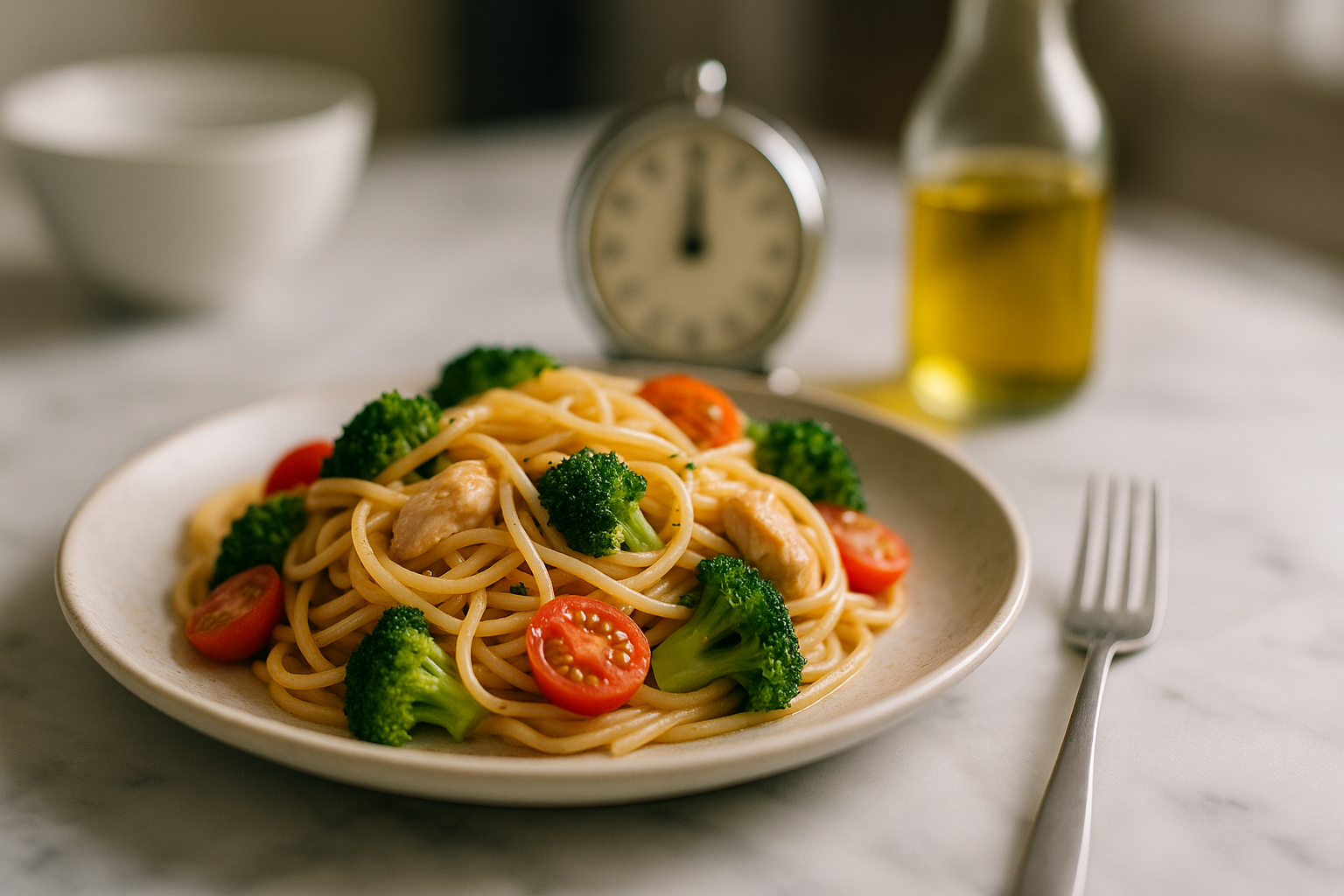
The kitchen clock hits 6:30 PM, your stomach is growling, and the last thing you want is to spend an hour cooking dinner. This scenario plays out in millions of homes every night, leading to expensive takeout orders and the guilt of another abandoned meal plan. But here’s the reality: delicious, satisfying meals don’t require elaborate preparations or long cooking times. With the right recipes and techniques, you can have dinner on the table in less time than it takes to wait for delivery.
These ten quick meals prove that 20 minutes is enough time to create something truly delicious. Whether you’re cooking for yourself, your family, or trying to impress someone special, these recipes deliver on flavor without demanding hours in the kitchen. For those nights when even 20 minutes feels like too much, our one-pot wonders guide offers even simpler solutions with minimal cleanup.
Why 20-Minute Meals Actually Work
The secret to fast cooking isn’t about cutting corners or sacrificing quality. It’s about understanding which ingredients cook quickly and how to layer flavors efficiently. Fresh vegetables like spinach, bell peppers, and zucchini reach perfect tenderness in minutes. Proteins like shrimp, thin-cut chicken breasts, and ground meats cook through rapidly when prepared correctly. Meanwhile, pantry staples like pasta, rice noodles, and canned beans provide substance without lengthy preparation.
The most successful quick meals also rely on building flavor through technique rather than time. A hot pan creates beautiful caramelization on proteins in just 3-4 minutes per side. Fresh herbs added at the end brighten dishes instantly. A squeeze of lemon or splash of vinegar balances richness without simmering. According to nutrition experts who study quick meal preparation, these time-saving approaches don’t compromise nutritional value when you focus on whole ingredients.
Smart organization makes the difference between frantic cooking and smooth execution. Before you start cooking, gather all ingredients and prep your vegetables. This mise en place approach, borrowed from professional kitchens, means you’re not frantically chopping garlic while your onions burn. Set out your oils, spices, and serving plates. The few minutes spent organizing save you time and stress during the actual cooking process.
Skillet Perfection: One-Pan Wonders
A single skillet can produce restaurant-quality meals with minimal cleanup. Start with lemon garlic shrimp pasta, where the shrimp cooks in just 2-3 minutes per side. While the pasta boils separately, sauté minced garlic in olive oil, add the shrimp until pink, then toss with the drained pasta, fresh parsley, red pepper flakes, and a generous squeeze of lemon. The entire process takes 15 minutes from start to finish.
Chicken fajitas deliver bold flavors in under 20 minutes when you slice boneless chicken breasts into thin strips. Season with cumin, chili powder, and garlic powder, then cook over high heat for 5-6 minutes. Add sliced bell peppers and onions for the final 4 minutes, letting everything caramelize together. Serve with warm tortillas and quick toppings like salsa, sour cream, and avocado. This approach aligns perfectly with proven strategies for speedy weeknight cooking.
For a vegetarian option, try Mediterranean chickpea skillet. Heat canned chickpeas with cherry tomatoes, spinach, crumbled feta, and Kalamata olives. Season with oregano and finish with lemon zest. The whole dish comes together in 12 minutes and tastes like you spent hours developing the flavors. Serve over quick-cooking couscous or with crusty bread for a complete meal.
Mastering High-Heat Cooking
The key to successful skillet meals is proper heat management. Preheat your pan for 2-3 minutes over medium-high heat before adding ingredients. This initial heat creates the sear that locks in moisture and develops flavor. Don’t overcrowd the pan, which creates steam instead of the desirable browning effect. Cook in batches if necessary, keeping finished portions warm while you complete the rest.
Asian-Inspired Speed Meals
Asian cooking techniques are naturally suited for quick meals, relying on high heat and fresh ingredients. Beef and broccoli stir-fry exemplifies this efficiency. Slice flank steak thinly against the grain, toss with cornstarch, and sear in a blazing-hot wok for 2 minutes. Remove the beef, quickly stir-fry broccoli florets until bright green and crisp-tender, then combine everything with a simple sauce of soy sauce, garlic, ginger, and a touch of brown sugar. Serve over instant rice and dinner is ready in 18 minutes.
Thai basil chicken (Pad Krapow Gai) delivers intense flavors even faster. Ground chicken cooks through in just 5-6 minutes. Add sliced Thai chilies, garlic, and holy basil leaves, seasoning with fish sauce and a pinch of sugar. The complex, savory-spicy flavor profile tastes like takeout but costs a fraction of the price and contains fresher ingredients. If you’re interested in expanding your Asian cooking repertoire, exploring Thai street food techniques opens up countless quick meal possibilities.
Udon noodle stir-fry works with whatever vegetables you have available. Fresh udon noodles need only 2-3 minutes of cooking. Stir-fry snap peas, mushrooms, and carrots in sesame oil, add the cooked noodles, and toss with a mixture of mirin, soy sauce, and rice vinegar. Top with sliced scallions and sesame seeds. This versatile formula adapts to any seasonal vegetables sitting in your refrigerator.
Pasta Beyond the Basics
Pasta provides the foundation for countless quick meals, but the key is choosing varieties that cook quickly and pairing them with sauces that come together while the pasta boils. Angel hair pasta reaches al dente in just 4 minutes. Orecchiette and small shells cook through in 8-9 minutes. Fresh pasta, if you can find it, needs only 2-3 minutes of boiling.
Cacio e pepe demonstrates how three simple ingredients create something extraordinary. While the pasta cooks, toast black pepper in a dry pan until fragrant. Reserve pasta water, then toss the drained pasta with the toasted pepper, grated Pecorino Romano cheese, and enough pasta water to create a creamy sauce. The starch in the pasta water emulsifies with the cheese, creating silky coating without any cream. Total time: 12 minutes.
For a heartier option, try sausage and kale pasta. Brown Italian sausage while the pasta boils, add chopped kale and garlic during the last 3 minutes, then combine with the pasta and a splash of pasta water. The sausage fat coats the pasta beautifully, the kale adds color and nutrition, and the entire dish satisfies like comfort food should. This approach to quick, satisfying dinners mirrors the efficiency found in tested 20-minute meal strategies.
The Pasta Water Secret
Never pour all your pasta water down the drain. That starchy, salty liquid is the secret ingredient that professional chefs use to perfect pasta sauces. Always reserve at least a cup before draining. The starch helps sauces cling to pasta and creates creamy textures without adding cream or butter. Add it tablespoon by tablespoon until your sauce reaches the perfect consistency.
Breakfast-for-Dinner Winners
Some of the fastest, most satisfying dinners come from breakfast foods. Shakshuka, the North African dish of eggs poached in spiced tomato sauce, takes just 15 minutes. Sauté onions and bell peppers, add canned crushed tomatoes with cumin and paprika, create wells in the sauce, and crack eggs directly into them. Cover and cook until the whites set but yolks remain runny. Serve with crusty bread for dipping.
Veggie-loaded frittatas use up random vegetables and cook entirely in one oven-safe skillet. Sauté whatever vegetables you have, pour beaten eggs over them, add cheese if desired, and transfer to a 400-degree oven for 8-10 minutes. Slice into wedges and serve with a simple salad. One frittata easily feeds four people and reheats beautifully for next-day lunches.
Don’t overlook the power of upgraded scrambled eggs for a quick dinner. Cook them low and slow with butter, stirring constantly, and fold in smoked salmon, fresh herbs, and crème fraîche during the last minute. Serve alongside roasted asparagus that cooks in the same amount of time. This elegant meal feels special enough for guests but requires minimal effort.
Sheet Pan Speed
While many sheet pan dinners require 30-40 minutes of roasting, certain combinations cook much faster under the broiler. Slice chicken breasts horizontally to create thin cutlets that broil in 6-7 minutes per side. Surround them with quick-cooking vegetables like cherry tomatoes, zucchini rounds, and asparagus. Everything caramelizes together under the intense heat, creating complex flavors in minimal time.
Fish fillets broil even faster than chicken. Salmon, cod, or halibut need only 8-10 minutes total. Season with lemon, garlic, and herbs, arrange on a sheet pan with green beans or broccolini, and broil until the fish flakes easily. The vegetables char slightly at the edges, adding smoky depth. One pan, minimal cleanup, maximum flavor.
For a vegetarian sheet pan meal, try broiled portobello mushrooms and bell peppers. Brush the mushroom caps with balsamic vinegar and olive oil, surround with pepper strips, and broil for 10 minutes. Serve over quick-cooking quinoa or stuff into crusty rolls for a satisfying sandwich. If you’re looking to expand your vegetarian cooking skills, our guide to plant-based protein sources provides valuable foundations.
The Quick Meal Mindset
Success with 20-minute meals requires shifting how you think about dinner. Stock your pantry with ingredients that don’t require extensive prep: canned beans, quality pasta, jarred roasted red peppers, canned tomatoes, and various spices. Keep your freezer filled with individually wrapped proteins that thaw quickly under cold running water. Pre-washed salad greens, pre-cut vegetables, and rotisserie chicken from the grocery store aren’t cheating – they’re strategic time-savers.
Invest in tools that speed up cooking. A large skillet or wok allows you to cook more food at once. Sharp knives make prep work faster and safer. A salad spinner dries greens in seconds instead of minutes. An instant-read thermometer eliminates guesswork when cooking proteins. These simple tools transform your efficiency in the kitchen.
The best quick cooks also practice mise en place, that French culinary term for having everything in place before you start cooking. Read the recipe completely, measure your ingredients, and have everything ready before you turn on the stove. This preparation might add 3-4 minutes upfront, but it prevents the chaos of searching for ingredients while something burns on the stove.
Remember that practice builds speed. The first time you make a new recipe might take the full 20 minutes. The second time, you’ll finish in 17 minutes. By the fifth time, it becomes muscle memory and you’ll complete it in 15 minutes while simultaneously helping kids with homework or catching up on a podcast. These recipes aren’t just quick – they’re sustainable solutions for real life.
Quick meals don’t mean sacrificing flavor, nutrition, or satisfaction. They mean being strategic about ingredients, techniques, and organization. Whether you choose a vibrant stir-fry, a comforting pasta, or a simple sheet pan dinner, these 20-minute meals prove that delicious home cooking fits into even the busiest schedules. Start with one or two recipes that appeal to you, master them, then gradually expand your quick-meal repertoire. Before you know it, that 6:30 PM hunger panic transforms into confidence that a great meal is just 20 minutes away.

Leave a Reply