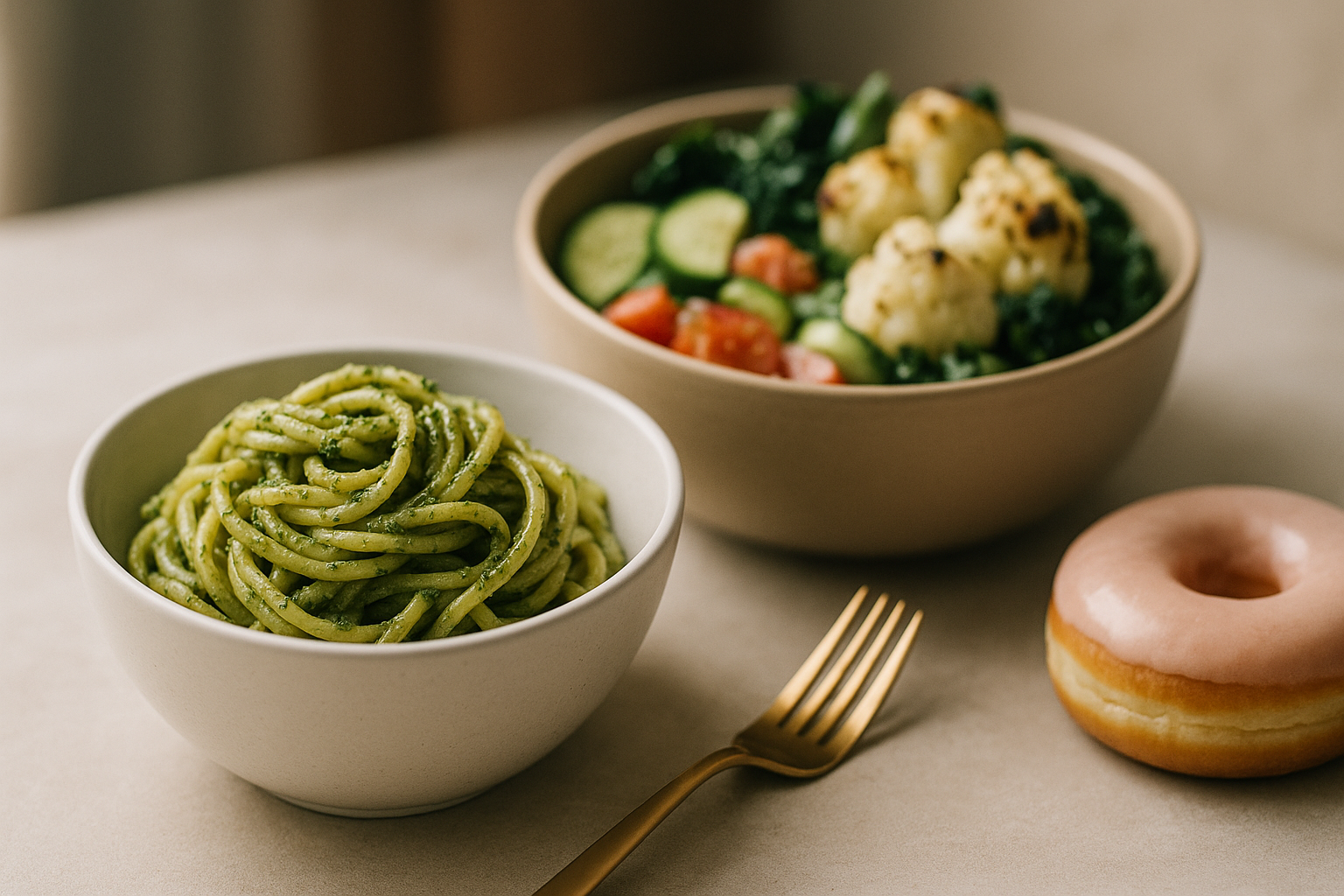
Butter boards dominated Instagram for exactly three weeks before everyone collectively realized they were just fancy, unsanitary charcuterie. Cloud bread promised the texture of sourdough with none of the carbs, delivering instead something closer to flavored air. The food world moves fast, cycling through trends at a pace that would make fashion week look positively glacial. Some innovations genuinely improve how we cook and eat, while others are destined to become punchlines in next year’s “remember when” articles.
The trick isn’t avoiding food trends entirely. It’s developing the judgment to distinguish between passing fads that waste your time and money, and legitimate movements that could genuinely enhance your cooking repertoire. After watching countless trends rise and fall, certain patterns emerge that separate the keepers from the gimmicks. Here’s your guide to navigating the current landscape of food trends with your dignity and grocery budget intact.
The Return of Preserved and Fermented Foods
Verdict: Worth Trying
Fermentation has exploded beyond kombucha and kimchi into mainstream consciousness, and this trend deserves your attention. Unlike many flash-in-the-pan movements, fermentation represents a return to techniques humans have used for millennia to preserve food, enhance nutrition, and develop complex flavors impossible to achieve through other methods.
The science backs up the hype. Fermented foods introduce beneficial bacteria that support gut health, potentially improving digestion and even mental wellbeing. Beyond the health benefits, fermentation creates depth of flavor that transforms simple ingredients into something remarkable. A basic cabbage becomes tangy, crunchy sauerkraut. Plain dairy turns into rich, probiotic-packed yogurt.
Starting your fermentation journey doesn’t require expensive equipment or mysterious expertise. Simple projects like quick-pickled vegetables or homemade yogurt require minimal investment and deliver impressive results. The learning curve is gentle, the failure rate low, and the potential applications extend across your entire cooking repertoire. If you’re looking to expand your culinary skills with techniques that have genuine staying power, exploring traditional preservation methods from various cuisines provides a solid foundation.
Hyper-Specific Food Mashups
Verdict: Skip It
The cronut had its moment. So did the ramen burger, sushi burritos, and whatever abomination combined a donut with a cheeseburger. These hyper-specific mashups generate social media buzz and long lines at their debut, then fade into obscurity once the novelty wears off.
The fundamental problem with extreme food mashups isn’t that they taste bad. Many are actually delicious. The issue is they’re solutions to problems that don’t exist. Nobody was desperately wishing their burger came wrapped in ramen noodles instead of a bun. These creations prioritize Instagram-worthiness over practical cooking or eating experience.
More importantly, chasing these trends at home rarely makes sense. The techniques required often demand specialized equipment or ingredients you’ll use exactly once. The effort-to-reward ratio skews heavily toward effort. Your time and energy are better invested in mastering foundational techniques that apply across hundreds of dishes rather than perfecting one viral frankenfood that’ll be forgotten by next quarter.
Plant-Based Whole Foods Focus
Verdict: Worth Trying
The plant-based movement has matured beyond processed meat substitutes into something far more interesting and sustainable. The current iteration emphasizes whole foods, vegetables as main attractions rather than afterthoughts, and techniques that highlight natural flavors instead of masking them.
This trend differs from the “everything must taste like meat” phase that dominated a few years ago. Instead of impossible burgers and fake chicken, we’re seeing recipes that celebrate what plants do best. Mushrooms valued for their umami and texture, not their ability to impersonate beef. Legumes transformed into satisfying main courses through proper seasoning and cooking techniques. Our guide to mastering tofu preparation demonstrates how understanding technique transforms simple ingredients.
Even committed omnivores benefit from expanding their vegetable-forward repertoire. Plant-based cooking develops your palate, sharpens your seasoning skills, and typically costs less than meat-centric meals. The techniques you learn applying heat, building layers of flavor, creating satisfying textures translate directly to all your cooking. You’re not committing to a lifestyle change by exploring these recipes. You’re simply adding more tools to your culinary toolkit.
Elaborately Decorated Everything
Verdict: Skip It
Instagram has convinced a generation that every cake needs to look like it belongs in a museum, every latte requires intricate foam art, and simple cookies aren’t worth making unless they’re decorated with royal icing and edible gold leaf. The pressure to make everything picture-perfect has sucked joy out of home cooking for countless people.
Here’s an unpopular truth: elaborate decoration rarely improves flavor and often detracts from it. That fondant creating those smooth, Instagram-perfect cake surfaces? It tastes like sweetened Play-Doh. The hours spent piping intricate designs could have been invested in perfecting your actual baking technique or flavor combinations.
Professional decorators make beautiful creations because it’s their job, they have years of practice, and they possess specialized tools. Expecting your home-baked goods to match that standard sets you up for frustration and disappointment. Food can be beautiful through simplicity. A rustic tart with visible fruit, a cake with swoopy frosting, cookies with imperfect edges – these aren’t failures. They’re evidence of real cooking by real people. Save your energy for making things taste incredible rather than look flawless.
Global Flavor Exploration and Fusion
Verdict: Worth Trying
The increasing accessibility of international ingredients and cooking techniques represents one of the most exciting developments in home cooking. Unlike superficial fusion that slaps miso on everything regardless of context, thoughtful exploration of global cuisines expands your understanding of flavor, technique, and ingredient combinations.
Learning to cook dishes from different culinary traditions teaches you fundamental principles that transcend specific recipes. Indian cooking demonstrates spice layering and tempering techniques. Japanese cuisine reveals the power of simplicity and quality ingredients. Mexican cooking shows how dried chiles create complex depth. Each tradition offers lessons applicable to your entire cooking repertoire.
Start by choosing one cuisine that interests you and diving deep rather than surface-level sampling from everywhere. Understanding Thai flavor balance or Italian pasta sauce fundamentals requires focused attention. Master a handful of dishes from one tradition before jumping to another. This approach builds genuine skill rather than collecting superficial knowledge of dozens of cuisines.
Extreme Dietary Restrictions Without Medical Necessity
Verdict: Skip It
Every few months, a new diet emerges claiming to solve all health problems through extreme restriction. Carnivore diets. Raw veganism. Eliminating entire food groups based on pseudoscience. These approaches generate devoted followers and viral testimonials, but they rarely stand up to scrutiny or long-term sustainability.
The human body is remarkably adaptable. You can survive and even thrive on widely varying diets, which is why every restrictive approach can point to some success stories. But survivability isn’t the same as optimality. Unless you have diagnosed allergies, intolerances, or medical conditions requiring specific dietary modifications, extreme restriction often creates more problems than it solves.
Most people benefit more from adding good things to their diet than obsessively eliminating foods. Add more vegetables, whole grains, and home-cooked meals rather than cutting out entire macronutrient categories. Learn to prepare nourishing comfort foods and develop sustainable cooking habits. Sustainable eating patterns beat temporary restrictive diets every time, even if they generate fewer dramatic before-and-after photos.
Cooking with Technology and Precision Tools
Verdict: Selectively Worth Trying
Smart kitchen gadgets, precision cookers, and app-connected appliances promise to revolutionize home cooking. Some deliver on that promise. Many don’t. The key is distinguishing between tools that genuinely solve problems versus those creating solutions for non-existent issues.
Sous vide immersion circulators represent technology worth considering. They enable precise temperature control impossible with traditional methods, producing consistently perfect results for proteins and eggs. The technique isn’t just gimmicky – it’s used in professional kitchens worldwide because it works. The learning curve is minimal, and the results justify the counter space.
Conversely, appliances that promise to replace fundamental cooking skills often disappoint. Automatic stirring pots, app-controlled multicookers with dozens of rarely-used functions, or gadgets that do one specific task you could easily accomplish with basic tools – these clutter kitchens without adding real value. Before buying any kitchen technology, ask whether it solves a problem you actually have or teaches you something valuable about cooking. If it’s just automating something you should learn to do properly, skip it.
Making Smart Trend Decisions
The constant churn of food trends won’t slow down. Social media, food bloggers, and restaurant innovation ensure a steady stream of new techniques, ingredients, and approaches competing for your attention and money. Rather than reflexively adopting or rejecting everything new, develop criteria for evaluation.
Ask whether a trend teaches transferable skills. Fermentation, global cooking techniques, and plant-based whole food cooking all build knowledge applicable across countless dishes. Conversely, mastering one specific mashup or decoration style offers limited broader application. Consider sustainability too – both environmental and personal. Can you realistically maintain this approach long-term, or is it destined to be a brief experiment?
Evaluate ingredient accessibility and cost. Some trends require expensive specialty items you’ll struggle to source or afford regularly. Others work with staples already in your pantry. The best trends improve your cooking without requiring constant specialty shopping or budget-breaking purchases. They enhance rather than complicate your relationship with food.
Finally, trust your instincts about enjoyment. Cooking should bring satisfaction, not stress. If a trend makes you anxious about perfection or turns meal preparation into a chore, it’s not worth pursuing regardless of its popularity. The goal isn’t collecting cooking achievements or Instagram validation. It’s developing skills and knowledge that make feeding yourself and others more enjoyable, sustainable, and delicious. Focus on trends that serve that goal, and confidently skip the rest.

Leave a Reply