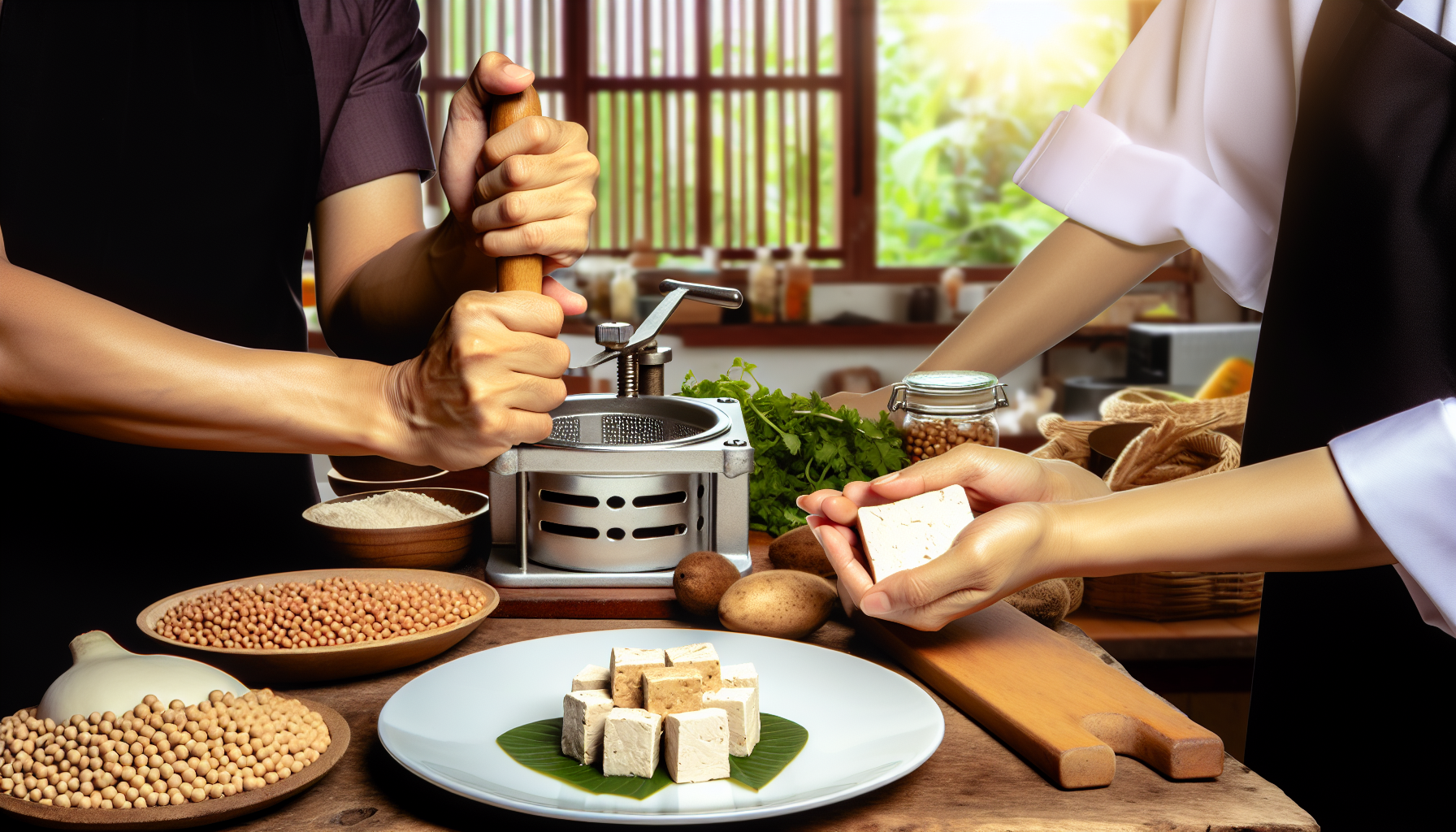
Tofu gets a bad rap. Too often, it’s dismissed as bland, mushy, or flavorless—a mere afterthought in vegetarian cooking. But here’s the truth: tofu is one of the most versatile ingredients in any kitchen, capable of absorbing bold flavors and transforming into textures ranging from silky-smooth to crispy-crunchy. The secret isn’t in the tofu itself—it’s in understanding how to work with it. Once you master a few fundamental techniques, this humble soy-based protein becomes a canvas for culinary creativity that rivals any meat or vegetable.
Whether you’re a longtime vegetarian, exploring plant-based eating, or simply looking to diversify your protein sources, learning to cook with tofu opens up a world of possibilities. From Asian stir-fries to creamy desserts, crispy nuggets to silky soups, tofu adapts to virtually any cuisine or cooking method. The key is understanding the different types of tofu, how to prepare them properly, and which techniques bring out the best in each variety.
Understanding Tofu Types and Their Best Uses
Not all tofu is created equal. Walk down the refrigerated aisle of any grocery store, and you’ll encounter several varieties, each with distinct textures and ideal applications. Choosing the right type for your recipe is the first step toward tofu mastery.
Silken Tofu: The Delicate Option
Silken tofu has a custard-like texture that ranges from soft to firm, but it never achieves the density of regular tofu. This variety contains more water and has a smooth, creamy consistency that makes it perfect for blending. Use silken tofu in smoothies, desserts, salad dressings, and sauces where you need a creamy base without dairy. It’s also traditional in miso soup and Korean stews, where it’s gently added to hot liquid and breaks apart into delicate, cloud-like pieces.
The delicate nature of silken tofu means it doesn’t hold up well to aggressive cooking methods. Don’t try to press it, pan-fry it, or bake it expecting crispy results—you’ll end up with a mess. Instead, embrace its softness and use it in applications where creaminess is the goal.
Regular Tofu: The Workhorse
Regular tofu, sometimes labeled as Chinese-style or cotton tofu, comes in soft, medium, firm, and extra-firm varieties. This is the tofu you’ll reach for most often in everyday cooking. The firmer the tofu, the less water it contains and the better it holds its shape during cooking.
Soft regular tofu works well in soups and gentle braises where you want it to absorb flavor but maintain some structure. Medium tofu strikes a balance, suitable for dishes where you’ll handle it gently, like pan-frying or adding to curries. Firm and extra-firm tofu are your go-to options for stir-fries, grilling, baking, and any recipe where you need the tofu to maintain its shape and develop a crispy exterior.
The Game-Changing Power of Pressing
Here’s where most home cooks go wrong: they skip the pressing step. Tofu is packed in water, and that moisture prevents it from properly absorbing marinades and achieving crispy textures. Pressing removes excess liquid, transforming tofu from spongy and wet to firm and ready to soak up flavor.
The traditional method is simple but requires patience. Remove the tofu from its package, drain the liquid, and wrap the block in clean kitchen towels or paper towels. Place it on a plate, set another plate on top, and weight it down with something heavy—canned goods, a cast-iron skillet, or even a few books. Let it sit for at least 30 minutes, though an hour is ideal for extra-firm results.
If you cook with tofu regularly, consider investing in a tofu press. These inexpensive devices apply even pressure and make the process hands-off. Simply load the tofu, tighten the screws or spring mechanism, and let it work while you prep other ingredients. The result is tofu that’s 30-40% drier and significantly more receptive to flavor.
The Freeze-Thaw Technique
For an even more dramatic texture transformation, try freezing your tofu before using it. Freezing changes the protein structure, creating a spongier, chewier texture with more nooks and crannies to trap marinades and sauces. The tofu takes on an almost meat-like quality that’s particularly appealing in hearty dishes.
Simply place unopened packages of tofu in the freezer for at least 24 hours. When you’re ready to use it, thaw it completely in the refrigerator or at room temperature, then press out the liquid as usual. The thawed tofu will have a slightly yellowish tint and a noticeably different texture—firmer, chewier, and more absorbent than fresh tofu.
Marinades That Actually Work
Once you’ve pressed your tofu, it’s primed to absorb flavor. But not all marinades are equally effective. The key is balancing flavor intensity with ingredients that help the marinade penetrate the tofu.
Start with a foundation of salty and acidic components. Soy sauce, tamari, or coconut aminos provide saltiness and umami depth. Rice vinegar, lime juice, or apple cider vinegar add brightness and help break down the tofu’s surface, allowing flavors to penetrate deeper. Add aromatics like minced garlic, grated ginger, or scallions for complexity.
Fat matters too. A small amount of sesame oil, olive oil, or even tahini helps carry fat-soluble flavors and creates a richer mouthfeel. Don’t overdo it—a tablespoon or two per block of tofu is sufficient.
Marinade Timing and Technique
Unlike meat, which can become mushy if marinated too long, tofu benefits from extended marinating time. Aim for at least 30 minutes, but overnight marination yields the deepest flavor. Cut the tofu into your desired shape before marinating—smaller pieces and thinner slices absorb flavor faster than large blocks.
For maximum flavor absorption, place the tofu and marinade in a shallow dish or zip-top bag, ensuring all pieces are coated. Turn the pieces occasionally if they’re not fully submerged. If you’re short on time, try gently scoring the tofu surfaces with shallow crosshatch cuts, creating more surface area for the marinade to penetrate.
Cooking Methods That Deliver Perfect Texture
The cooking method you choose dramatically affects tofu’s final texture. Master these techniques, and you’ll never serve mushy, bland tofu again.
Pan-Frying for Golden Crispy Edges
Pan-frying is perhaps the most popular method for achieving that coveted crispy exterior while maintaining a tender interior. Start with pressed, well-drained tofu cut into cubes, slabs, or triangles. Heat a wide skillet over medium-high heat with enough oil to coat the bottom—vegetable oil, peanut oil, or avocado oil work well due to their high smoke points.
Once the oil shimmers, add the tofu pieces in a single layer, leaving space between each piece. This is crucial—overcrowding the pan traps steam and prevents browning. Resist the urge to move the tofu around. Let it cook undisturbed for 4-5 minutes until the bottom develops a deep golden crust. Flip each piece and repeat on the remaining sides.
For extra-crispy results, lightly dust the tofu with cornstarch or arrowroot powder before frying. The starch creates an ultra-crispy coating that stays crunchy even when tossed with sauce.
Baking for Hands-Off Perfection
Baking offers a more hands-off approach that’s perfect for meal prep. Preheat your oven to 400°F and line a baking sheet with parchment paper. Arrange pressed, marinated tofu pieces in a single layer, ensuring they don’t touch. This promotes even air circulation and browning on all sides.
Bake for 25-35 minutes, flipping halfway through, until the tofu is golden and firm to the touch. The edges should be crispy while the interior remains creamy. Baked tofu keeps well in the refrigerator for up to five days, making it an excellent protein to prepare in advance for quick weeknight meals.
Air-Frying for Maximum Crispiness
If you own an air fryer, you have the ultimate tool for crispy tofu with minimal oil. The circulating hot air creates an evenly crispy exterior that rivals deep-frying without the mess or added fat. Toss pressed tofu cubes with just a teaspoon of oil and your seasonings, then arrange them in a single layer in the air fryer basket.
Cook at 375°F for 15-20 minutes, shaking the basket every 5 minutes to ensure even cooking. The result is tofu with a satisfying crunch that holds up beautifully in stir-fries, grain bowls, and salads.
Flavor-Building Tricks Professional Cooks Use
Beyond basic cooking techniques, several professional tricks elevate tofu from good to extraordinary.
The Boiling Water Method
Before marinating, some chefs briefly simmer tofu in salted boiling water for 2-3 minutes. This technique seasons the tofu from within and creates a slightly firmer texture. The hot water also helps expel additional moisture, making the pressing step more effective. After boiling, drain the tofu, press it as usual, then proceed with marinating and cooking.
Double Coating for Extra Crunch
For tofu that rivals fried chicken in crispiness, use a double-coating method. First, toss pressed tofu in seasoned cornstarch or flour. Then dip each piece in a thin batter made from plant milk mixed with a bit more cornstarch. Finally, coat with panko breadcrumbs or crushed cornflakes. Pan-fry or bake until deeply golden and incredibly crispy.
Sauce Timing Matters
When adding tofu to saucy dishes like stir-fries or curries, timing is everything. Cook the tofu separately until crispy, then add it to the sauce at the very end of cooking. This preserves the crispy texture rather than letting it become soggy. If you prefer softer tofu that’s saturated with sauce, add it earlier in the cooking process and let it simmer gently.
Beyond Asian Cuisine: Unexpected Applications
While tofu shines in Asian dishes, its versatility extends far beyond traditional preparations. Think of tofu as a blank canvas that adapts to any flavor profile or cuisine.
Tofu in Mediterranean Dishes
Marinate firm tofu in olive oil, lemon juice, oregano, and garlic, then grill it alongside vegetables for a Mediterranean-inspired feast. Crumbled and seasoned with herbs, tofu makes an excellent stand-in for ricotta in lasagna or stuffed shells. Blend silken tofu with tahini, lemon, and garlic for a creamy hummus variation that’s lighter than the traditional version.
Tofu in Mexican Cooking
Crumbled and seasoned with cumin, chili powder, and smoked paprika, tofu becomes a convincing ground meat substitute for tacos, burritos, and nachos. Press it into slabs, marinate in lime and chipotle, then grill and slice for fajitas. The key is bold seasoning—don’t be shy with spices when adapting tofu to Mexican flavors.
Breakfast and Brunch Applications
Scrambled tofu rivals scrambled eggs when seasoned properly. Crumble firm tofu into a hot skillet with turmeric for color, nutritional yeast for a savory, cheesy flavor, and black salt for an eggy taste. Add vegetables, herbs, and spices to taste. The texture is remarkably similar to scrambled eggs, making it a satisfying breakfast option.
Troubleshooting Common Tofu Mistakes
Even experienced cooks sometimes struggle with tofu. Here’s how to avoid the most common pitfalls.
Problem: Bland, Flavorless Tofu
Solution: You likely skipped pressing or didn’t marinate long enough. Tofu needs both moisture removal and extended flavor exposure to taste vibrant. Also, don’t be conservative with seasonings—tofu can handle bold flavors.
Problem: Mushy, Falling-Apart Tofu
Solution: You either used silken tofu when you needed firm, or you didn’t press regular tofu adequately. Match the tofu type to your cooking method and always press when aiming for firm textures.
Problem: Tofu Won’t Get Crispy
Solution: Excess moisture is the enemy of crispiness. Press longer, ensure your cooking surface is hot enough, and don’t overcrowd the pan. Adding a light coating of cornstarch before cooking also helps achieve that coveted crunch.
Problem: Tofu Sticks to the Pan
Solution: Make sure your pan is properly preheated and you’re using enough oil. The tofu should sizzle when it hits the pan. Also, patience is key—if the tofu is sticking, it’s not ready to flip. Wait until it naturally releases from the pan.
Storing and Meal Prepping with Tofu
Proper storage extends tofu’s shelf life and makes meal prep easier. Once opened, store unused tofu in an airtight container covered with fresh water. Change the water daily, and the tofu will keep for up to a week in the refrigerator.
Cooked tofu stores beautifully, making it ideal for meal prep. Pan-fried, baked, or air-fried tofu keeps for 4-5 days in the refrigerator. Store it in airtight containers and add it to meals throughout the week—toss it into stir-fries, top salads, stuff into sandwiches, or add to grain bowls.
Marinated raw tofu also freezes well. Prepare several batches with different marinades, portion them into freezer bags, and freeze for up to three months. When you need a quick protein option, thaw overnight in the refrigerator and cook as usual.
Conclusion
Mastering tofu isn’t about complex techniques or exotic ingredients—it’s about understanding this versatile ingredient’s unique characteristics and treating it with the care it deserves. Press it properly to remove excess moisture, marinate it generously to build flavor, and cook it with the right method for your desired texture. Whether you’re aiming for crispy golden cubes, silky smooth desserts, or hearty meat-like chunks, tofu delivers when you apply these fundamental principles.
Start with one or two techniques that appeal to you most, practice until they become second nature, then expand your repertoire. Experiment with different marinades, try new cooking methods, and don’t be afraid to use tofu in unexpected cuisines. With these skills in your culinary toolkit, you’ll transform tofu from a misunderstood protein into a staple ingredient that brings texture, nutrition, and endless possibilities to your cooking.

Leave a Reply