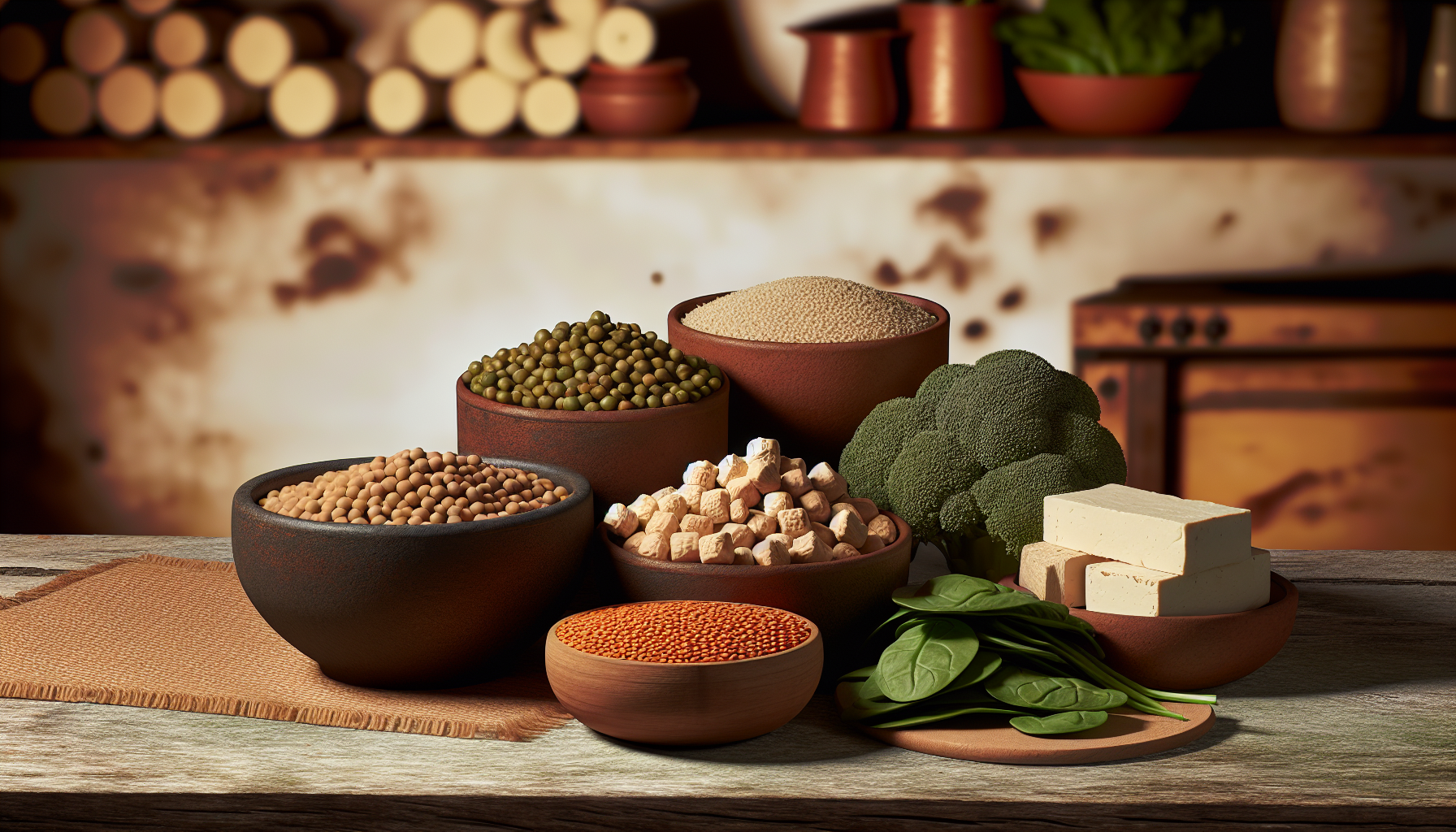
Building muscle, maintaining energy, and feeling satisfied throughout the day doesn’t require meat at every meal. Plant-based protein sources offer complete nutrition, diverse flavors, and versatile cooking applications that rival any animal protein. Whether you’re a committed vegetarian, exploring plant-based eating, or simply looking to diversify your protein intake, understanding which plant proteins deliver the most nutritional punch will transform your meal planning.
The landscape of plant-based protein has evolved far beyond bland tofu and boring beans. Today’s options range from minimally processed whole foods to innovative meat alternatives, each bringing unique textures, flavors, and nutritional profiles to your plate. Let’s explore the powerhouse plant proteins you should be eating and how to prepare them deliciously.
Why Plant-Based Proteins Deserve Your Attention
Plant proteins come packaged with benefits that animal proteins simply cannot match. Along with protein content, they deliver fiber for digestive health, antioxidants that fight inflammation, and essential vitamins and minerals. They’re typically lower in saturated fat and completely free of dietary cholesterol, supporting cardiovascular health while still building and maintaining muscle tissue.
Contrary to outdated nutritional myths, you don’t need to eat animal products to meet your protein requirements. Many plant foods contain all nine essential amino acids, and even incomplete proteins become complete when you eat a variety throughout the day. The key is understanding which sources pack the most protein per serving and how to make them taste incredible.
Legumes: The Protein Powerhouses
Legumes—including beans, lentils, and peas—represent some of the most affordable, accessible, and protein-dense plant foods available. A single cup of cooked lentils delivers approximately 18 grams of protein along with substantial fiber, iron, and folate.
Lentils in All Their Variety
Red lentils cook quickly and break down into a creamy texture, making them perfect for dal, soups, and thick sauces. Green and brown lentils hold their shape better, working beautifully in salads, grain bowls, or as a base for vegetarian burgers. Black beluga lentils maintain a firm texture and earthy flavor that pairs well with Mediterranean seasonings. For those exploring high-protein vegetarian recipes, lentils provide an incredibly versatile foundation.
The key to delicious lentils is cooking them in flavorful liquid—vegetable broth, coconut milk, or tomato-based sauces—rather than plain water. Season generously with aromatics like garlic, ginger, and onions, then layer in spices such as cumin, turmeric, or smoked paprika for depth.
Chickpeas Beyond Hummus
While hummus showcases chickpeas beautifully, this legume deserves exploration beyond dips. Roasted until crispy with olive oil and seasonings, chickpeas become an addictive high-protein snack. Mashed into veggie burgers or falafel, they provide structure and satisfying texture. Tossed into curries or stews, they absorb surrounding flavors while maintaining their pleasant bite.
One cup of cooked chickpeas contains about 15 grams of protein. Canned varieties offer convenience, though cooking dried chickpeas from scratch allows better texture control and costs significantly less.
Black Beans and Beyond
Black beans bring earthy flavor and creamy texture to Mexican-inspired dishes, providing roughly 15 grams of protein per cooked cup. Kidney beans, pinto beans, and cannellini beans each offer similar protein content with distinct flavors and textures. The secret to restaurant-quality beans is proper seasoning—cumin, oregano, smoked paprika, and a bay leaf transform basic beans into something crave-worthy.
Soy-Based Proteins That Actually Taste Good
Soy often gets unfairly dismissed, yet when prepared properly, soy-based proteins deliver exceptional nutrition and surprising versatility. The key is understanding each form’s strengths and cooking accordingly.
Tofu Done Right
Tofu contains approximately 20 grams of protein per cup and acts as a flavor sponge, absorbing whatever seasonings and sauces you pair it with. The common complaint that tofu is bland stems from improper preparation, not the ingredient itself.
Success with tofu starts with pressing out excess moisture. Wrap firm or extra-firm tofu in clean towels, weight it down with something heavy, and let it sit for at least 20 minutes. This creates a denser texture that crisps beautifully when pan-fried or baked. Cut the pressed tofu into cubes, toss with cornstarch and seasonings, then bake at 425°F until golden and crispy. The result rivals any takeout order.
Tempeh’s Nutty Appeal
Tempeh, made from fermented soybeans, offers a firmer texture and nuttier flavor than tofu, with about 31 grams of protein per cup. The fermentation process also makes it easier to digest and adds beneficial probiotics. Steam tempeh for 10 minutes before marinating to remove any bitterness, then slice and pan-fry until crispy, crumble into taco filling, or cube for stir-fries.
Edamame Simplicity
These young soybeans deliver 17 grams of protein per cooked cup and require almost no preparation. Steam them in their pods, sprinkle with sea salt, and enjoy as a snack, or shell them to toss into salads, grain bowls, or fried rice. Their slightly sweet flavor and satisfying pop make them appealing even to skeptical eaters.
Ancient Grains With Modern Appeal
While most grains contain some protein, certain varieties stand out for their exceptional amino acid profiles and nutritional density.
Quinoa: The Complete Protein
Quinoa contains all nine essential amino acids, making it one of the few plant-based complete proteins. With 8 grams of protein per cooked cup, it serves as an excellent base for grain bowls, salads, or breakfast porridge. Toast dry quinoa in your pot before adding liquid to enhance its nutty flavor, and cook it in vegetable broth rather than water for additional depth.
Amaranth and Teff
These tiny grains pack impressive nutrition in small packages. Amaranth provides about 9 grams of protein per cooked cup and has a slightly sweet, earthy flavor. Teff, the grain used to make Ethiopian injera, delivers similar protein along with substantial iron and calcium. Both work beautifully in porridges, as additions to baked goods, or as bases for grain bowls.
Nuts and Seeds: Compact Nutrition
While nuts and seeds contain less protein per volume than legumes, they bring healthy fats, minerals, and satisfying crunch to meals and snacks.
Hemp Hearts
Three tablespoons of hemp hearts provide 10 grams of complete protein along with omega-3 fatty acids. Their mild, nutty flavor and soft texture make them incredibly versatile—sprinkle over oatmeal, blend into smoothies, or stir into yogurt. Unlike many seeds, hemp hearts require no grinding or soaking to unlock their nutrition.
Chia and Flax Seeds
Beyond their protein content (approximately 5 grams per ounce), these seeds offer omega-3 fatty acids and become gelatinous when soaked, creating pudding-like textures perfect for breakfast or dessert. Mix chia seeds with plant milk and let sit overnight for an effortless morning meal, similar to power breakfasts that kickstart your day.
Nut Butters
Almond, peanut, and cashew butters provide 7-8 grams of protein per two-tablespoon serving. Look for varieties with just one ingredient—the nut itself—avoiding added sugars and hydrogenated oils. Stir nut butter into oatmeal, blend into smoothies, use as a sauce base for noodles, or spread on whole grain toast with sliced fruit.
Vegetables With Surprising Protein
While vegetables won’t replace beans or tofu as primary protein sources, several provide more than you might expect while adding volume, nutrients, and fiber to meals.
Spinach and Leafy Greens
Cooked spinach contains about 5 grams of protein per cup, making it worthwhile to include in generous portions. Blend raw spinach into smoothies where its mild flavor disappears, sauté as a side dish with garlic and olive oil, or stir into pasta, soups, and curries during final cooking minutes.
Broccoli
This cruciferous vegetable provides approximately 4 grams of protein per cooked cup along with vitamin C, fiber, and cancer-fighting compounds. Roast it at high heat until edges char and stems become tender, steam it for grain bowls, or blend into creamy soups.
Brussels Sprouts
With about 4 grams of protein per cooked cup, Brussels sprouts deliver more protein than most vegetables. Shred them raw for slaw, roast them with balsamic glaze, or sauté with bacon alternatives for a satisfying side dish.
Protein-Rich Whole Grains
Beyond quinoa, several whole grains contribute meaningful protein to plant-based diets.
Oats
One cup of cooked oatmeal provides 6 grams of protein, making it an excellent breakfast foundation. Steel-cut oats offer the most nutritional bang, though rolled oats cook faster. Top with nuts, seeds, nut butter, and fruit for a complete meal that sustains you through the morning.
Farro and Barley
These chewy grains deliver about 7 grams of protein per cooked cup with a nutty flavor and satisfying texture. Use them as rice substitutes, in soups and stews, or as bases for grain salads. Their hearty nature makes them particularly satisfying during colder months, perfect for one-pot wonders with minimal cleanup.
Smart Combinations for Complete Proteins
While you don’t need complete proteins at every meal, combining complementary plant proteins throughout your day ensures you get all essential amino acids. Classic combinations include:
- Rice and beans (the foundation of countless cuisines worldwide)
- Whole grain bread with nut butter
- Hummus with whole wheat pita
- Quinoa with black beans
- Lentil soup with whole grain bread
The beauty of plant-based eating is that these combinations happen naturally when you eat varied, whole foods throughout the day. You don’t need to obsess over amino acid profiles at each meal—your body pools amino acids and uses them as needed.
Practical Tips for Maximizing Plant Protein
Simply knowing which foods contain protein isn’t enough—you need strategies for incorporating them consistently and deliciously into your daily eating.
Cook beans and lentils in batches on weekends, then portion into containers for quick additions to meals throughout the week. Keep canned varieties on hand for emergency meals. Press and marinate tofu or tempeh in advance so it’s ready to cook when hunger strikes. Stock your pantry with various nuts, seeds, and nut butters for quick protein boosts.
Season aggressively. Plant proteins need bold flavors to shine. Don’t hesitate to use generous amounts of garlic, ginger, spices, fresh herbs, and acidic ingredients like lemon juice or vinegar. Layer textures by combining creamy elements with crunchy components—top hummus with toasted pine nuts, or add crispy chickpeas to a grain bowl.
Common Mistakes to Avoid
Even experienced plant-based eaters sometimes fall into traps that compromise nutrition or satisfaction.
Relying too heavily on processed meat alternatives can mean missing out on the whole food nutrition that legumes, grains, and vegetables provide. While convenient, these products often contain significant sodium and additives. Use them occasionally but build your diet around whole plant proteins.
Undereating protein is another concern. Track your intake for a few days to ensure you’re meeting targets—most adults need 0.8 grams per kilogram of body weight, with active individuals requiring more. If you’re consistently falling short, add protein powder to smoothies, increase portion sizes of high-protein foods, or add an extra protein source to each meal.
Not addressing vitamin B12 and iron needs can lead to deficiencies. While these aren’t protein issues per se, plant-based eaters must be mindful of these nutrients. Consider fortified foods or supplements for B12, and pair iron-rich plants with vitamin C sources to enhance absorption.
Conclusion
Plant-based protein sources offer everything you need to thrive—complete nutrition, satisfying meals, and endless variety. From the humble lentil to protein-packed hemp hearts, these foods prove that building a strong, healthy body doesn’t require animal products. Start by incorporating one or two new plant proteins into your weekly rotation, experiment with different preparation methods, and pay attention to how your body responds. You might discover that plant proteins not only meet your nutritional needs but exceed your expectations for flavor and satisfaction. Your muscles, your health, and quite possibly the planet will thank you.

Leave a Reply