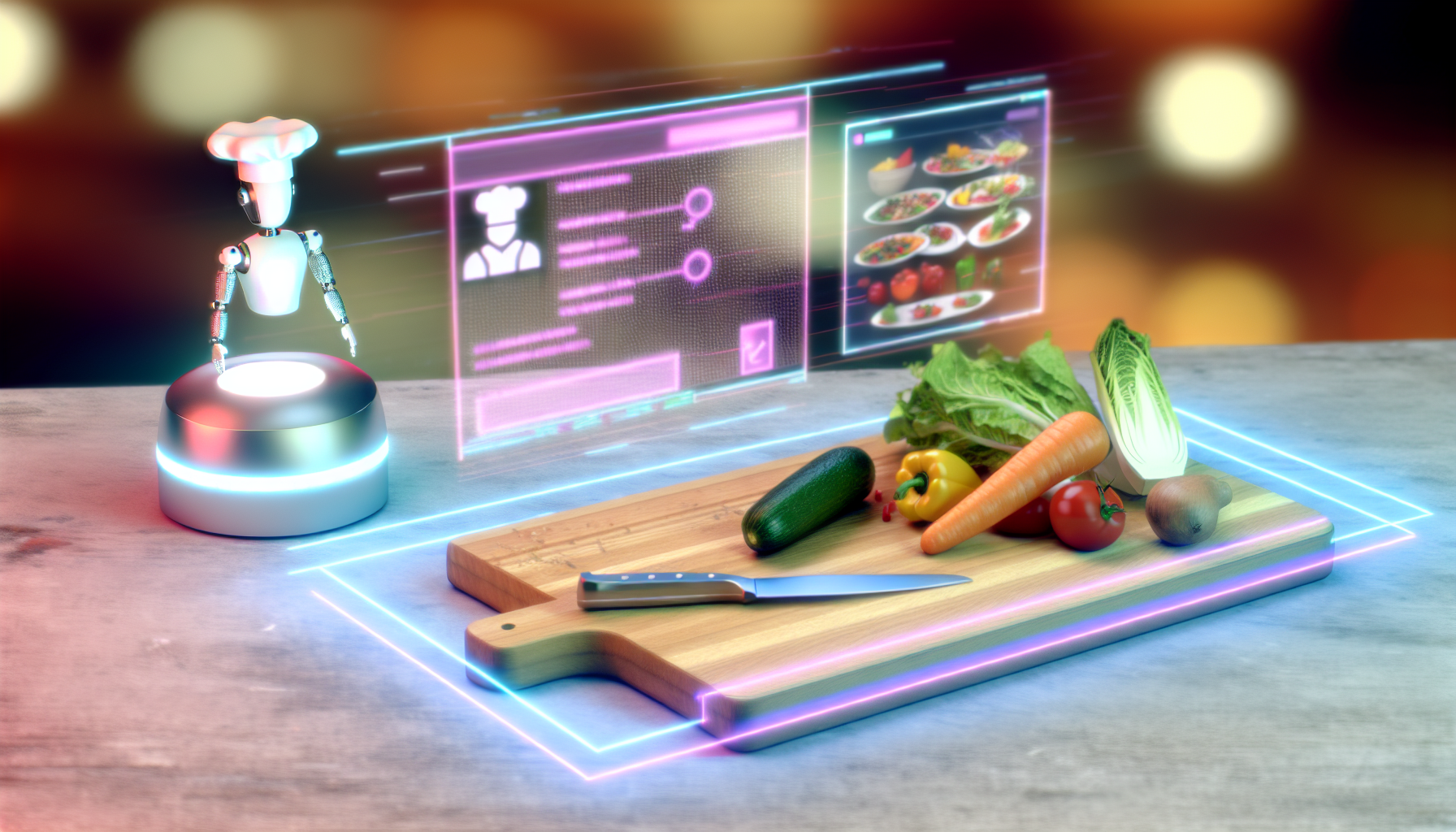
Artificial intelligence has been making waves in nearly every industry, but one place you might not expect it to take hold is the kitchen. From smart recipe suggestions to precision cooking tools, AI technology is reshaping how we approach food preparation. The question is no longer whether AI belongs in cooking, but rather how effectively it can help you become the chef you’ve always wanted to be.
For home cooks looking to expand their skills, reduce food waste, or simply make weeknight dinners less stressful, AI-powered cooking tools offer intriguing possibilities. These technologies promise to take the guesswork out of meal planning, teach techniques you never knew existed, and even adjust recipes based on what’s already in your fridge. But can algorithms and machine learning truly replace intuition, experience, and the artistry that makes cooking so rewarding?
What AI Cooking Technology Actually Looks Like
When we talk about AI in the kitchen, we’re not discussing robot chefs flipping pancakes in your home (though such prototypes do exist). The reality is more practical and already accessible. AI cooking tools come in several forms, each designed to solve specific challenges that home cooks face daily.
Smart recipe apps analyze your dietary preferences, cooking skill level, and available ingredients to suggest personalized meal ideas. Platforms like Whisk and SideChef use machine learning to understand your tastes over time, getting better at recommendations the more you use them. These apps can transform “I have chicken breast, broccoli, and rice” into multiple complete dinner options within seconds.
Smart appliances represent another category of AI cooking technology. The Brava oven uses cameras and sensors to detect what you’ve placed inside, automatically adjusting temperature and cooking time for optimal results. The June oven went even further, using visual recognition to identify food and suggest appropriate cooking programs. While these appliances carry premium price tags, they demonstrate how AI can handle the technical precision that separates good results from great ones.
Connected cookware like the Hestan Cue system pairs smart induction burners with app-guided recipes that control temperature automatically. You focus on the ingredients and technique while the AI manages heat precisely, preventing the overcooked proteins and scorched sauces that plague many home cooks.
How AI Helps With Recipe Discovery and Meal Planning
One of AI’s strongest applications in cooking addresses a problem nearly everyone faces: deciding what to make for dinner. The paradox of choice can be paralyzing when you have access to millions of recipes online. AI tools solve this by filtering possibilities down to what actually makes sense for your situation.
Apps like Tasty’s intelligent search function understand context in ways traditional recipe searches never could. Tell it you want “something quick with chicken that my picky kids will eat,” and the algorithm weighs preparation time, ingredient accessibility, family-friendly appeal, and user ratings to surface relevant options. This contextual understanding saves the endless scrolling through recipes that don’t quite fit your needs.
Meal planning becomes significantly easier with AI-powered tools that consider your whole week. These systems can balance nutritional variety, minimize ingredient overlap to reduce waste, and even auto-generate shopping lists organized by store layout. The AI learns your preferences over time, understanding that you love Mexican food but hate cilantro, or that you prefer vegetarian options on Mondays.
For those exploring new dietary approaches, AI recipe generators can adapt existing favorites to fit restrictions. Want to make a dish plant-based or gluten-free? AI can suggest appropriate substitutions based on how ingredients function chemically and texturally, not just random swaps that might ruin the dish.
Precision Cooking and Technique Improvement
While recipe discovery helps you decide what to cook, AI’s ability to guide actual cooking technique addresses the how. This is where technology moves beyond simple convenience into genuinely improving your skills as a cook.
Temperature control represents one of the most significant challenges in cooking. Proteins need specific internal temperatures for safety and texture, but achieving them consistently requires experience and often expensive equipment. AI-powered meat thermometers like those from Meater or Yummly use predictive algorithms to estimate exactly when food will reach target temperature, accounting for carryover cooking and resting time. The app guides you through the process, teaching you to develop intuition for timing rather than just following rigid instructions.
Video recognition technology in apps can actually watch you cook and provide real-time feedback. While still emerging, systems being developed by companies like Samsung can observe your knife technique, detect when you’re cutting too quickly or at the wrong angle, and offer corrections. This kind of personalized instruction was previously available only through in-person cooking classes or culinary school.
Smart scales connected to recipe apps eliminate the measuring errors that lead to baking failures or poorly seasoned dishes. They automatically adjust quantities when you decide to make half a recipe or double it, doing the math instantly and accurately. For those learning to work with ingredients like tofu, precision in measurements and technique makes a noticeable difference in final results.
The Learning Curve Advantage
Perhaps AI’s most valuable contribution is its ability to teach while you cook. Traditional written recipes assume a baseline of knowledge about cooking terminology and techniques. AI-powered cooking assistants can pause to explain what “fold in” means versus “stir,” show video demonstrations of proper technique, and adjust instructions based on your declared skill level.
This adaptive teaching approach means beginners aren’t overwhelmed with unnecessary detail while experienced cooks can skip the basics and focus on nuances. The technology meets you where you are and helps you progress at your own pace.
Reducing Food Waste Through Smart Ingredient Management
Americans throw away roughly 30-40% of the food supply, with home kitchens contributing significantly to this waste. AI tools are beginning to address this problem through better ingredient tracking and creative recipe suggestions.
Smart refrigerators with internal cameras and expiration date tracking represent the high-tech approach. These appliances monitor what you have, when it was purchased, and when it will spoil, sending alerts to your phone when items approach their use-by dates. More importantly, they can suggest recipes specifically designed to use up ingredients before they go bad.
You don’t need a $4,000 refrigerator to benefit from AI-assisted waste reduction. Apps like NoWaste and FoodKeeper help you manually track pantry inventory and suggest recipes based on what needs to be used soon. The AI component learns your shopping and cooking patterns, predicting what you’re likely to have on hand and how quickly you typically use items.
Some systems go further, analyzing your cooking history to identify patterns of waste. If you consistently buy fresh herbs but use only half before they wilt, the AI might suggest buying dried versions of less-frequently-used herbs, or it might recommend recipes that use those herbs more heavily when you do purchase them fresh.
The Limitations and Concerns
Despite the impressive capabilities, AI cooking technology has real limitations that prevent it from replacing human judgment and creativity entirely. Understanding these boundaries helps set realistic expectations about what these tools can achieve.
AI struggles with true creativity and innovation. While it can combine existing recipes in novel ways or make ingredient substitutions based on known chemical properties, it can’t taste food or understand the emotional and cultural contexts that make certain dishes meaningful. The algorithm that suggests replacing butter with coconut oil doesn’t understand that this changes not just flavor but the entire character of a dish in ways that data can’t fully capture.
Sensory evaluation remains firmly in human territory. AI can’t smell when garlic is perfectly toasted versus slightly burned, can’t see the difference between properly kneaded dough and overworked dough, and can’t taste whether a sauce needs more acid or salt. These sensory skills develop through practice, and while AI can guide you toward situations where you’ll learn them, it can’t do the learning for you.
Privacy and data concerns accompany any connected device. Smart appliances and cooking apps collect extensive data about your eating habits, schedule, and preferences. This information has value to companies for targeted advertising and product development. While most mainstream cooking apps have reasonable privacy policies, it’s worth understanding what data you’re sharing and how it might be used.
The cost barrier for advanced AI cooking tools remains significant. While free apps provide basic functionality, the most sophisticated systems require expensive hardware. A smart oven can cost $1,000 or more, putting it out of reach for many home cooks who might benefit most from the guidance these tools provide.
How to Start Using AI in Your Cooking
If you’re intrigued by the possibilities but unsure where to begin, starting small makes sense. You don’t need to overhaul your entire kitchen or invest thousands in smart appliances to benefit from AI cooking assistance.
Begin with free or low-cost apps that enhance your existing cooking routine. Download a recipe app with smart search functionality and experiment with asking it specific questions about what to make. Try meal planning apps that generate shopping lists and see if they reduce your food waste and decision fatigue around dinner time.
Consider one piece of smart cookware that addresses your specific pain points. If you consistently overcook proteins, an AI-enabled meat thermometer might be the tool that finally helps you nail perfect doneness every time. If you struggle with timing multiple dishes, a smart timer system that coordinates everything could transform your stress levels.
Start tracking what you already have and what you waste. Even without fancy fridges, simply noting which ingredients you consistently throw away provides data that can improve your shopping and cooking decisions. Some AI apps work with this manually entered information, providing benefits without requiring connected appliances.
Experiment with AI-generated recipes or meal plans for a week. Approach it as a learning opportunity rather than a permanent change. Notice what works well and what feels off. AI recommendations improve when you provide feedback, so rate recipes, mark preferences, and correct suggestions that miss the mark.
The Future of AI in Home Cooking
Current AI cooking tools represent early iterations of technology that will likely become significantly more sophisticated. Looking ahead, several trends suggest where this intersection of food and technology is heading.
Personalized nutrition based on individual health data could become standard. Imagine AI systems that adjust recipes to manage specific health conditions, optimize nutrition for your fitness goals, or work around food sensitivities you didn’t even know you had. This requires integration with health tracking devices and medical records, raising both exciting possibilities and legitimate privacy concerns.
Voice-activated cooking assistants will likely become more natural and helpful. Instead of asking your phone to “set a timer for ten minutes,” you might have conversational exchanges where the AI asks what you’re cooking, suggests the appropriate timing, and automatically adjusts based on your stove’s characteristics and the quantity you’re preparing.
Community learning could allow AI systems to improve based on collective feedback from thousands of home cooks. If 80% of people who make a particular recipe add extra garlic, the AI might suggest increasing the garlic in the base recipe or offering it as an optional adjustment.
Augmented reality recipe guidance represents another frontier. Smart glasses or phone cameras could overlay cooking instructions directly onto your workspace, highlighting which ingredients to add next, showing proper knife angles, or alerting you when food has reached the right color or consistency.
Conclusion
Can AI make you a better chef? The honest answer is that it depends on how you define “better” and how you engage with the technology. AI excels at organization, precision, and processing vast amounts of information quickly. It can suggest recipes you’d never find on your own, manage timing and temperatures more accurately than most home cooks can manually, and reduce the waste and inefficiency that plague many kitchens.
However, AI can’t replace the sensory awareness, creativity, and cultural understanding that distinguish truly skilled cooks. It provides powerful tools and helpful guidance, but the cooking still happens in your hands. The technology works best when viewed as a teaching assistant rather than a replacement for developing your own skills and judgment.
For home cooks willing to experiment with these tools while maintaining their own involvement in the process, AI offers genuine benefits. It can accelerate your learning, reduce stress around meal planning, and help you achieve more consistent results. Start with simple, low-cost applications that address your specific challenges. Pay attention to which features actually improve your cooking and which create unnecessary complexity. The goal isn’t to automate cooking entirely, but to use technology thoughtfully to enhance the experience of preparing and sharing food.

Leave a Reply