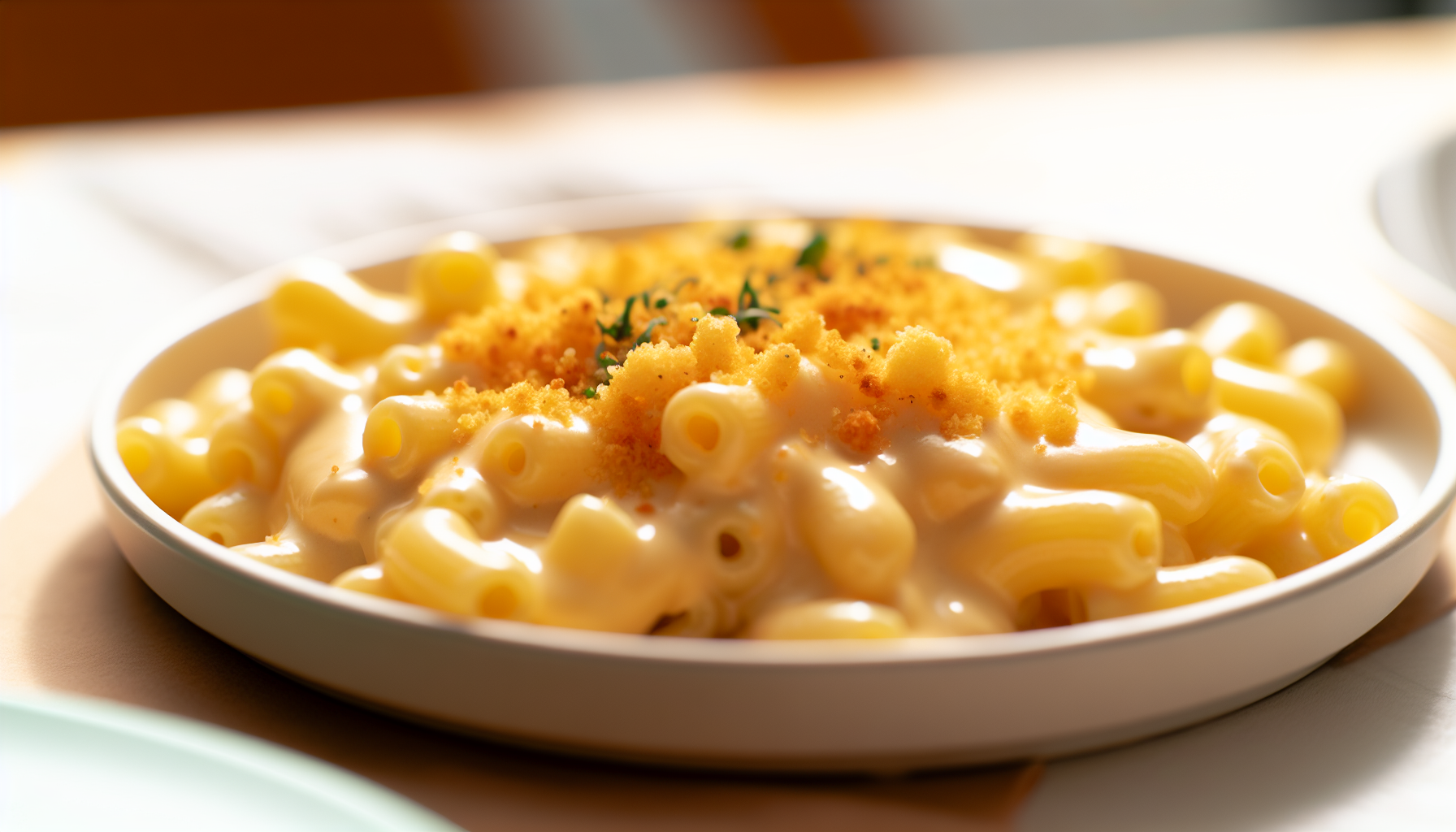
There’s something magical about a bowl of creamy, cheesy mac and cheese that makes it the ultimate comfort food. Whether you’re craving a nostalgic childhood favorite or looking to impress dinner guests with a gourmet version, mastering homemade mac and cheese is a skill every home cook should have in their arsenal.
The difference between mediocre mac and cheese and the truly spectacular kind comes down to understanding a few key principles. Let’s dive into the secrets that will transform your mac and cheese from basic to extraordinary.
Why Homemade Mac and Cheese Beats the Box
Before we get into technique, it’s worth understanding why making mac and cheese from scratch is worth the extra effort. Boxed versions rely on powdered cheese products and stabilizers that simply can’t match the flavor and texture of real cheese melted into a proper sauce.
Homemade mac and cheese gives you complete control over the cheese blend, the consistency of your sauce, and the ability to customize flavors to your preferences. Plus, it’s not significantly more difficult than the boxed version once you understand the fundamentals.
The Foundation: Building the Perfect Cheese Sauce
The heart of exceptional mac and cheese is the cheese sauce, also known as a Mornay sauce. This is where most recipes succeed or fail, so paying attention to this step is critical.
Start with a Proper Roux
A roux is the foundation of your cheese sauce, made by cooking equal parts butter and flour together. This mixture serves as a thickening agent that prevents your sauce from becoming greasy or grainy.
- Melt butter over medium heat until it begins to foam
- Add an equal amount of flour and whisk constantly for 2-3 minutes
- Cook until the raw flour smell disappears but before the mixture browns
- The roux should be smooth and pale golden in color
The key here is patience. Rushing this step by using too high heat will result in a sauce that tastes like raw flour or, conversely, has a burnt flavor.
Add Your Liquid Gradually
Once your roux is ready, it’s time to add your liquid. Most recipes call for whole milk or a combination of milk and cream for richness.
The secret to a smooth sauce is adding the liquid gradually while whisking constantly. Pour in about a quarter of your liquid first, whisking vigorously to incorporate it completely before adding more. This prevents lumps from forming and ensures a silky texture.
Continue whisking as you add the remaining liquid in stages. The sauce will thicken as it comes to a gentle simmer. This should take about 5-7 minutes over medium heat.
Incorporate the Cheese Correctly
This is where many home cooks go wrong. Adding cheese seems straightforward, but technique matters enormously here.
First, remove your sauce from direct heat before adding cheese. High heat can cause the proteins in cheese to seize up and separate, resulting in a grainy, broken sauce instead of creamy perfection.
Add your cheese in handfuls, stirring after each addition until completely melted before adding more. This gradual incorporation helps maintain the emulsion and prevents the fat from separating.
Choosing Your Cheese: The Flavor Game-Changer
Not all cheeses are created equal when it comes to mac and cheese. The best versions use a combination of cheeses to balance flavor, meltability, and texture.
The Best Cheeses for Mac and Cheese
- Sharp Cheddar: The classic choice that provides bold, tangy flavor. Use this as your base, making up about 50-60% of your cheese blend.
- Gruyère: Adds a nutty, sophisticated depth that elevates mac and cheese from kid food to gourmet territory.
- Fontina: Melts beautifully and contributes a mild, buttery flavor that smooths out sharper cheeses.
- Cream Cheese: A small amount adds extra creaminess without affecting flavor too much.
- Parmesan: Use sparingly for a salty, umami boost, especially in the topping.
Cheeses to Avoid
While experimentation is encouraged, some cheeses simply don’t work well in mac and cheese. Pre-shredded cheese contains anti-caking agents that prevent smooth melting. Fresh mozzarella releases too much water. Very hard aged cheeses can become grainy when melted.
Always grate cheese yourself from a block for the best results. It takes an extra two minutes but makes a noticeable difference in texture.
Selecting the Right Pasta Shape
The pasta shape you choose affects how the sauce clings to each bite. While elbow macaroni is traditional, it’s far from your only option.
The best pasta shapes for mac and cheese have nooks, ridges, or hollow centers that trap the cheese sauce. Consider these options:
- Cavatappi: Spiral-shaped tubes that hold sauce exceptionally well
- Shells: The concave shape creates little pockets of cheese
- Pipette: Small tubes with ridged exteriors for maximum sauce adhesion
- Campanelle: Ruffled edges capture sauce beautifully
Whatever shape you choose, cook it to al dente or even slightly under. The pasta will continue cooking when you combine it with the hot sauce and especially if you bake it, so you want to prevent mushiness.
The Secret Ingredients That Make It Special
Beyond the basic cheese sauce and pasta, certain ingredients can take your mac and cheese from good to unforgettable.
Mustard Powder
A teaspoon of dry mustard powder is the secret weapon in many award-winning mac and cheese recipes. It doesn’t make the dish taste like mustard; instead, it enhances the cheese flavor and adds a subtle complexity that people notice but can’t quite identify.
A Touch of Acidity
A small amount of acid brightens the rich, heavy cheese sauce. Try a teaspoon of white wine vinegar, a splash of hot sauce, or even a squeeze of lemon juice. This cuts through the richness and makes the dish more balanced.
Umami Boosters
A dash of Worcestershire sauce, a pinch of smoked paprika, or even a small amount of tomato paste can add savory depth that makes your mac and cheese more complex and interesting.
To Bake or Not to Bake
Stovetop mac and cheese is perfectly acceptable and often creamier than baked versions. However, baking adds a textural element that many people love: the crispy, golden top.
The Perfect Baked Mac and Cheese Technique
If you decide to bake your mac and cheese, follow these guidelines for the best results:
- Prepare your cheese sauce slightly thinner than you want the final product, as baking will thicken it further
- Transfer the mac and cheese to a buttered baking dish
- Create a topping with panko breadcrumbs, melted butter, and grated Parmesan
- Bake at 350°F for 20-25 minutes until bubbling and golden on top
- For extra crispiness, finish under the broiler for 2-3 minutes, watching carefully
The key is not to overbake. You want the edges bubbling and the top golden, but the sauce should still be creamy underneath, not dried out.
Common Mistakes to Avoid
Even experienced cooks can fall into these mac and cheese traps. Knowing what to avoid is just as important as knowing what to do.
Using Only One Cheese
Single-cheese mac and cheese tends to be one-dimensional. Combining cheeses creates complexity and better texture. Even if you love sharp cheddar, adding just 20% of another cheese will improve the dish.
Overcooking the Pasta
Soft, mushy pasta ruins even the best cheese sauce. Always cook pasta one to two minutes less than the package directions suggest, especially if you’re baking the dish afterward.
Making the Sauce Too Thick
Your cheese sauce should coat the back of a spoon but still flow easily. If it’s too thick, it will become gluey as it cools and won’t coat the pasta properly. You can always thin it with a splash of milk if needed.
Not Seasoning Properly
Cheese is salty, but not salty enough on its own. Taste your sauce before combining it with pasta and adjust with salt and pepper. Under-seasoned mac and cheese tastes flat and disappointing.
Recipe Variations to Try
Once you’ve mastered the basic technique, the possibilities for customization are endless.
Lobster Mac and Cheese
Fold in chunks of cooked lobster meat for a luxurious variation that’s perfect for special occasions. Use Gruyère as your primary cheese and add a touch of Old Bay seasoning.
Truffle Mac and Cheese
A drizzle of truffle oil and a handful of sautéed mushrooms transforms mac and cheese into an elegant side dish worthy of a dinner party.
Jalapeño Popper Mac and Cheese
Add diced jalapeños, crispy bacon bits, and mix cream cheese into your sauce. Top with crushed crackers mixed with butter before baking.
Buffalo Chicken Mac and Cheese
Stir in shredded rotisserie chicken tossed in buffalo sauce and use a blend of cheddar and blue cheese. Garnish with green onions and a drizzle of ranch dressing.
Make-Ahead and Storage Tips
Mac and cheese is an excellent make-ahead dish, perfect for busy weeknights or entertaining.
To prepare in advance, make the cheese sauce and cook the pasta, but keep them separate until you’re ready to bake. Combine them, transfer to a baking dish, cover tightly, and refrigerate for up to 24 hours. Add an extra 10 minutes to the baking time if cooking from cold.
Leftover mac and cheese keeps in the refrigerator for 3-4 days. Reheat gently on the stovetop with a splash of milk to restore creaminess, or microwave individual portions with a little cream stirred in.
You can also freeze unbaked mac and cheese for up to three months. Thaw overnight in the refrigerator before baking. The texture may be slightly different, but it’s still delicious.
Conclusion
Perfect homemade mac and cheese is within reach for any home cook willing to understand the fundamentals. By mastering your roux, choosing quality cheeses, incorporating them properly, and avoiding common mistakes, you’ll create a dish that’s creamy, flavorful, and far superior to anything from a box. Experiment with different cheese combinations and variations to make it your own, and soon you’ll have a signature mac and cheese recipe that friends and family request again and again.

Leave a Reply